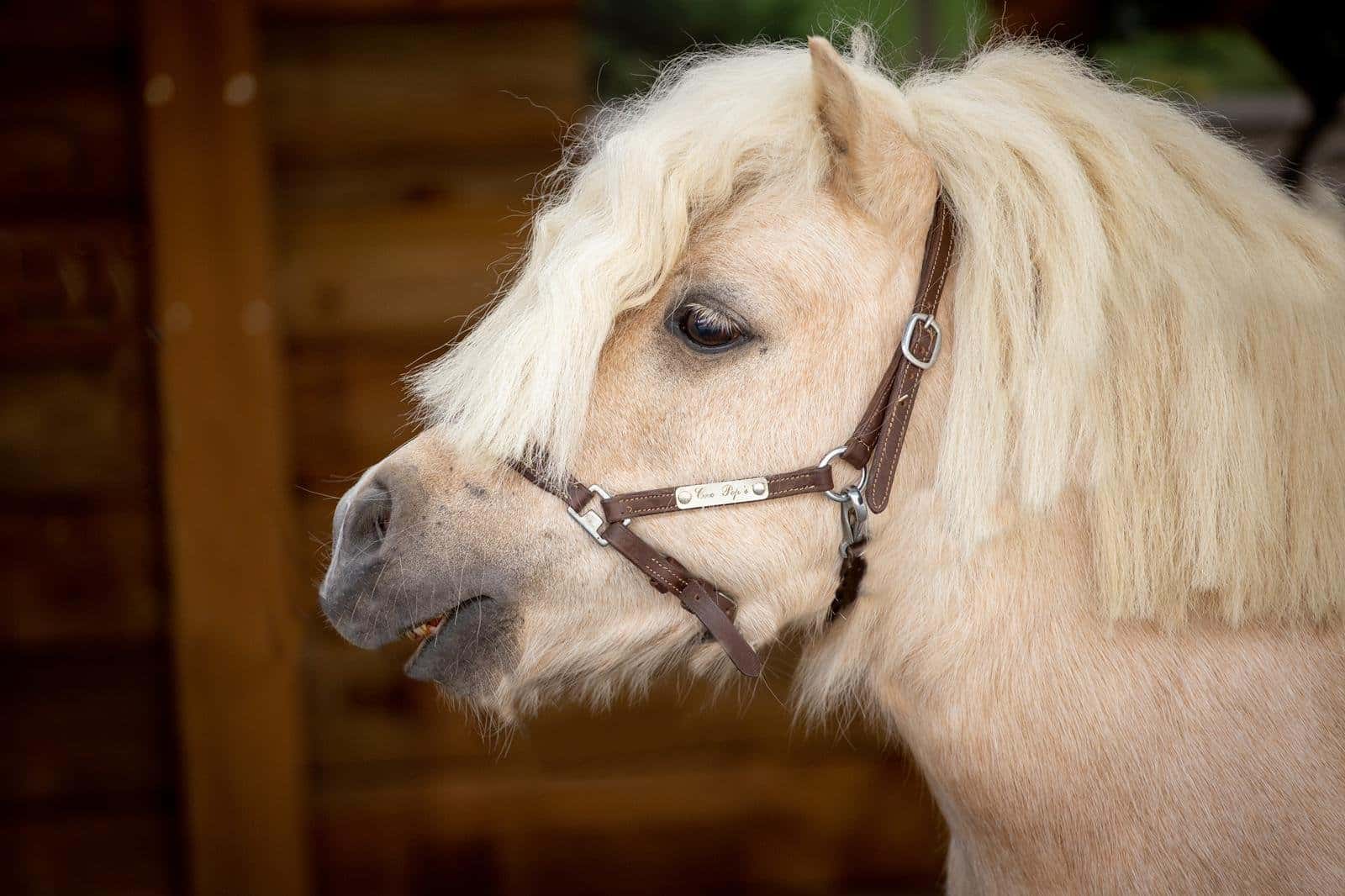
What is a Shetland pony, and why does its equipment differ?
The Shetland is a pony breed with an adult height of no more than 107 cm at the withers. A Shetland bridle equips the pony for ridden or driving work. A headcollar serves for leading and grooming. Choose equipment from head measurements, not height alone.
Shetland size: miniature, intermediate and standard
The French 2026 breeding programme distinguishes several adult categories. Miniature: up to 86 cm; intermediate: 86.1 to 97 cm; standard: 97.1 to 107 cm. These French breed categories are not a saddlery size chart. They cannot tell you the required headpiece length. Classifications can differ between breed organisations.
2026 French Shetland breeding programme, published by IFCE
A short, broad head requires different adjustments from a narrow one. Check each component separately when choosing a miniature Shetland bridle. Bridle fitting means adjusting the equipment to the individual head. A miniature horse label alone does not confirm that the size will fit.
Comparing Little, Misty SHET and Soul PONEY headcollars
This table compares headcollars, not bridles. Shetland and Pony are sizes offered on actual Smart Wag models. Each link opens a product page; select the indicated size there. Measure your pony before choosing. No row guarantees a fit on its own.
| Pony to measure | Model and size to examine | Check before buying |
|---|---|---|
| Miniature Shetland | Little, foal size | Check headpiece, noseband and cheekpieces. Foal size does not guarantee a miniature Shetland fit. |
| Intermediate or standard Shetland | Misty, SHET size | Compare headpiece, noseband and cheekpiece measurements with your pony. |
| Larger head or conventional pony | Soul, PONEY size | Consider this option only if its measurements match. |
Miniature Shetland: check Little with the workshop
Little comes in foal size, with a headpiece adjustable on both sides and an adjustable noseband. An adult miniature Shetland may have different proportions. Measure its head and compare Little’s settings with the workshop before choosing this model.
Standard Shetland: examine the SHET size
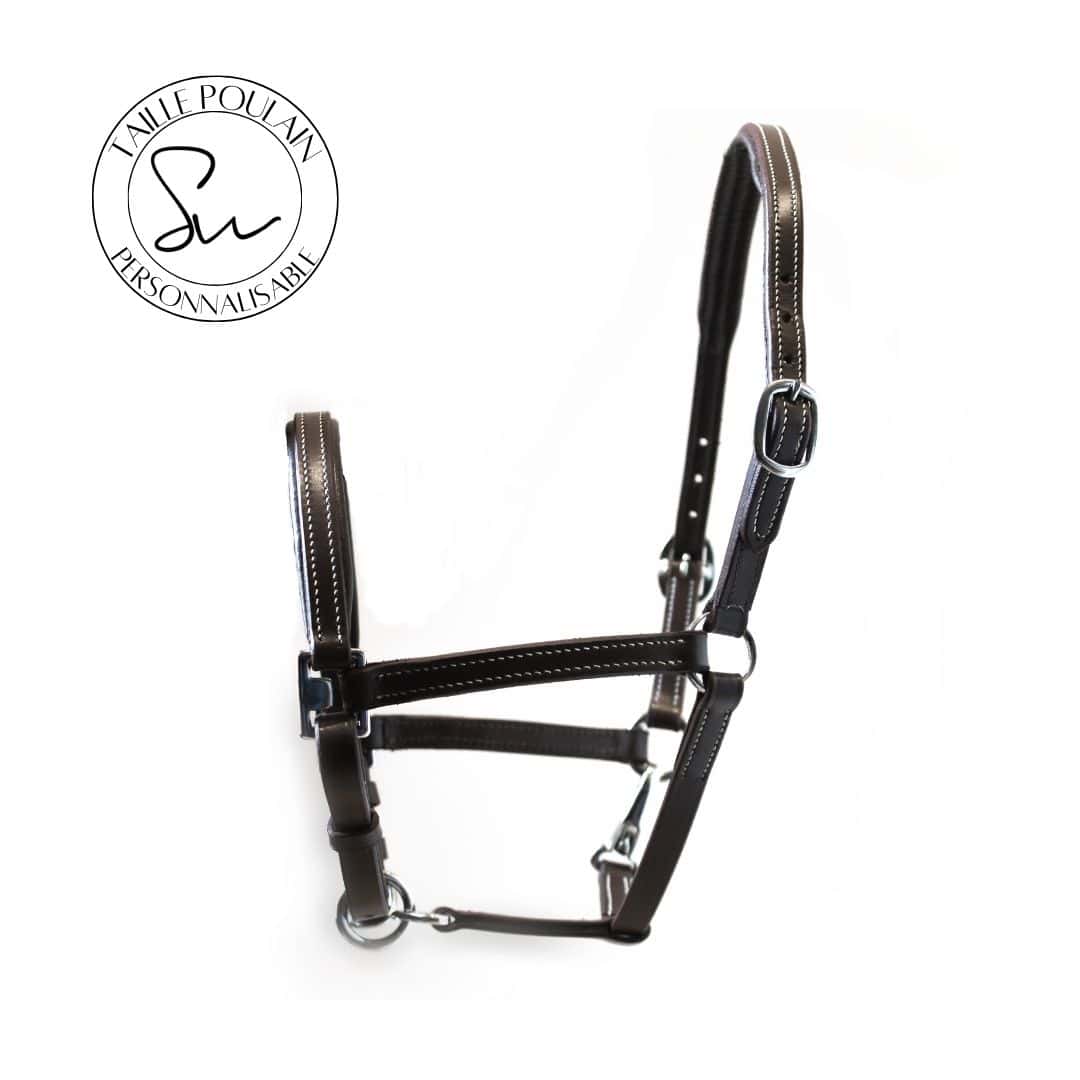
Misty is listed in SHET size. Its headpiece adjusts on both sides, and its noseband also adjusts. This offers several settings without guaranteeing correct placement on every pony. Compare the relevant dimensions before selecting this option. The Shetland size label does not replace a fitting check.
Borderline sizes: when to consider Pony
Soul includes SHET and PONEY options. Examine PONEY if your measurements exceed the SHET adjustment range. Do not size up merely because your pony looks stocky. An overlong headpiece cannot correct a narrow noseband. Contact the workshop if the proportions do not match.
Shetland conformation: individual requirements
Height at the withers does not fully describe a pony’s head. Pay particular attention to these two points:
- Head and jaw width: check that the side straps and throatstrap suit your pony’s proportions.
- Length of the bridge of the nose: the cheekpieces must allow the noseband to sit correctly, without dropping onto the lower part of the nose.
A poorly proportioned headcollar may slip or rub. A pony size label therefore does not guarantee correct fitting on every Shetland. Check where each component sits on your pony.
Areas to check for comfort
For both headcollars and bridles, check the position of straps and buckles, particularly around these areas:
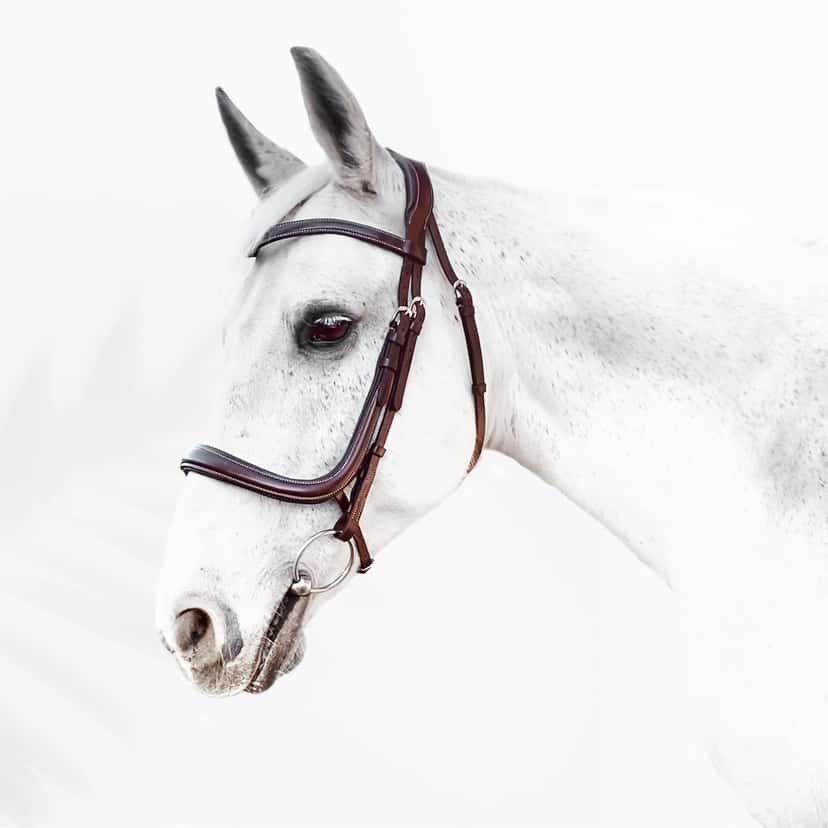
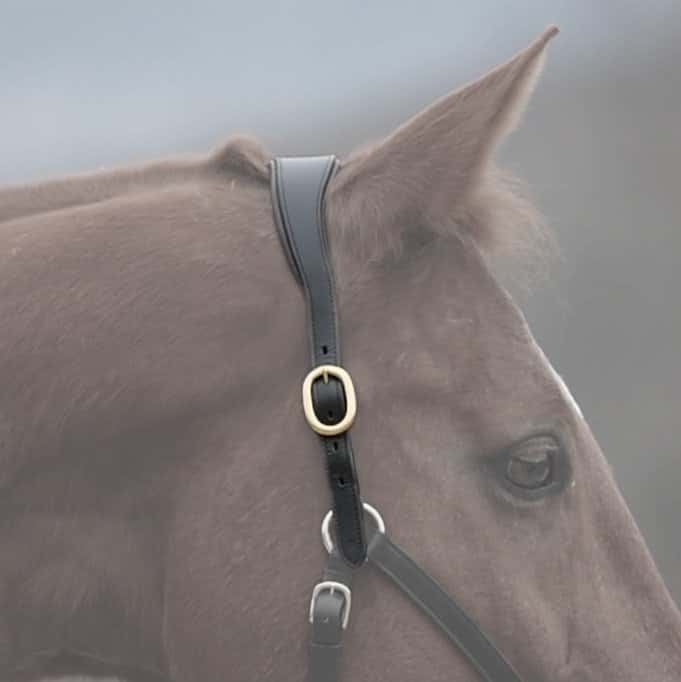
- Ear bases and poll: the headpiece should suit the shape of the head without interfering with the ears.
- Bridge of the nose and cheeks: check that the noseband and cheekpieces remain correctly positioned, without excessive tightening or visible rubbing.
Pressure distribution depends on construction, adjustment and the individual head. Leather or padding cannot guarantee even pressure. If the equipment causes discomfort, have its fit checked.
Shetland sizes: why individual fitting matters
The French 2026 breeding programme classifies adult miniature Shetlands as up to 86 cm at the withers. Breed categories do not determine headcollar size: compare head measurements with the model’s dimensions.
Misty and Soul are listed in SHET size. Little is sold in foal size; that does not establish suitability for an adult miniature Shetland. Small-size adjustment ranges are still needed to compare these options accurately.
Return to the Little, Shetland and Pony comparison and its sizing cautions
Materials and construction
Examine leather flexibility, stitching and buckle bulk. Misty has a padded headpiece. Soul has a padded headpiece and noseband. These features do not establish French origin or full-grain leather. Check the specific product description before using either claim as a selection criterion.
Why choose a well-fitting Shetland headcollar?
A suitable headcollar should remain correctly positioned while you lead the pony. Check its settings and condition before use. Padding does not correct the wrong size. If it slips or rubs, have its fit reviewed rather than simply tightening it further.
Measuring your Shetland for a headcollar
The Smart Wag guide distinguishes three headcollar measurements. Use a flexible tape and the reference points specified for the model:
- Headpiece (B): the path behind the ears between the headpiece’s two side attachment points, not between the corners of the mouth.
- Noseband (A): circumference at the intended headcollar noseband position, to be confirmed for the model.
- Cheekpieces (C): the length of the side straps connecting the noseband to the headpiece attachment points.
Record the measurements without tightening the tape. Also check clearance beneath the jaw; this is different from cheekpiece length. Confirm the reference points and Little, SHET or PONEY adjustment ranges before ordering.
The diagram follows the Smart Wag headcollar guide: headpiece B, noseband A and cheekpieces C. It gives neither dimensions nor a universal setting. Bridle measurements do not automatically transfer to a headcollar.
The guide’s numerical chart covers COB and FULL only. It does not give Little, SHET or PONEY dimensions: do not scale its values down for a Shetland. Ask for the ranges of the specific model and size.
View the Smart Wag size guide and its A, B, C reference points
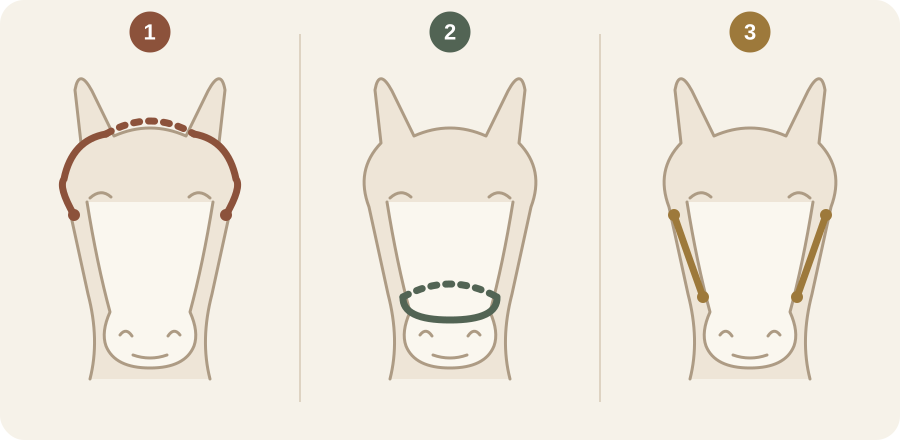
- 1. Headpiece (B): between its side attachment points, passing behind the ears.
- 2. Noseband (A): circumference around the nose at the intended headcollar position.
- 3. Cheekpieces (C): side straps linking the noseband to the headpiece attachment points.
Bridle or headcollar: which should your Shetland use?
Bridles for ridden and driving work
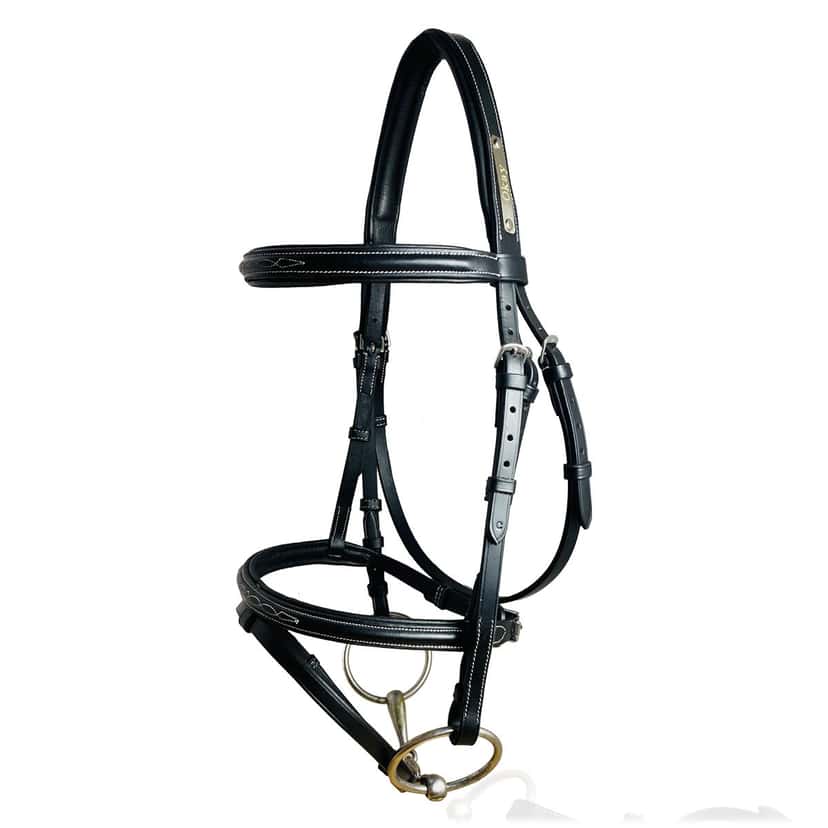
A conventional bridle carries a bit and is used with reins. It supports ridden work appropriate to the pony’s training. Driving requires a bridle and equipment suited to that activity. A bitless bridle is a different construction with different actions. A leading headcollar is not an automatic replacement for either.
No SHET-size bridle is confirmed in the catalogue checked for this guide. Browse the bridle category for available models. Have any proposed adaptation to your Shetland confirmed before buying. The comparison table above covers headcollars only.
Browse bridles and check the available sizes
Headcollars for everyday leading and grooming
For leading, a washable nylon headcollar can simplify routine care. For grooming, padded leather offers another construction to compare. Your choice also depends on adjustment, equipment condition and the manufacturer’s instructions. These uses do not determine size without measurements.
The table lists only leather headcollars from Smart Wag’s catalogue. It does not indicate an available nylon range. For tying or another specific use, check the model’s instructions and ask the workshop for advice.
In summary
Choose between a bridle and headcollar according to the intended use. Then take the measurements requested by the manufacturer. Compare Little, Misty SHET and Soul PONEY without equating wither height with head size. If unsure, send your measurements to Smart Wag before ordering.
Shetland equipment questions
What is the difference between a Shetland bridle and a headcollar?
A conventional bridle carries a bit and uses reins for ridden work. Driving requires a suitable driving bridle. A headcollar serves for leading and grooming. Both need individual fitting; a headcollar does not automatically replace a bridle.
What headcollar size does a miniature Shetland need?
Measure the head and compare the model’s dimensions. Little is sold in foal size, not as a universal miniature Shetland size. The workshop must confirm its suitability for your pony. Height at the withers alone cannot determine headcollar size.
Why might a regular pony headcollar not fit a Shetland?
Proportions and adjustment ranges vary between models. A pony headcollar may be too long or sit incorrectly on a shorter head. Compare headpiece, noseband and cheekpiece dimensions separately. Do not compensate for poor fitting by tightening further.