Sidepull, nosebandless bridle or classic bridle: which should you choose?
A horse side pull suits riders seeking direct action outside the mouth. A nosebandless bridle keeps the bit. A classic bridle preserves the horse's usual signals. No option is naturally gentler. The hand, fit and training determine actual comfort.
The table offers a first decision guide. Budgets reflect Smart Wag models observed in August 2026. Always check the current product page. The suggested level describes the horse's training, not its age.
| Criterion | Sidepull | Nosebandless bridle | Classic bridle |
|---|---|---|---|
| Clarity of action | Direct lateral nose pressure without leverage | Bit action remains, with no noseband contact | Bit action and signals already known by the horse |
| Comfort goal | No mouth contact, but the noseband must fit correctly | Jaw freedom around the bit without noseband pressure | Familiar contact, with comfort depending on bit and fit |
| Indicative budget | About €99 to €120 for Montreux and Valkyrie | No purchase when a suitable bridle works without its noseband | About €79 to €130 across current Smart Wag models |
| Recommended horse | Horse trained to weight aids and nasal pressure | Horse settled in its bit but sensitive to facial pressure | Horse learning new signals or starting a gradual transition |
Sidepull: direct and stable action
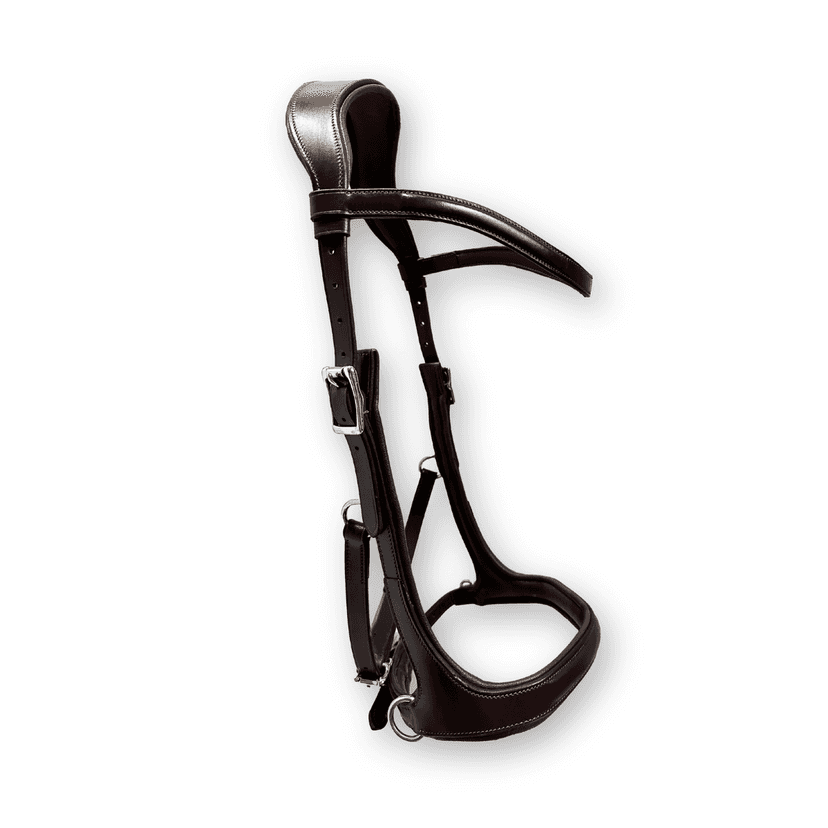
The reins attach to two lateral rings. The right rein therefore acts on the right side of the nose. The request stays clear when the bridle remains stable. There are no shanks, curb chain or crossed straps.
That simplicity does not replace training. A horse that leans can receive strong nasal pressure. Teach halt, steering and yielding from the ground first. Seat and weight aids should then remain the main signals.
Nosebandless bridle: room to breathe and move
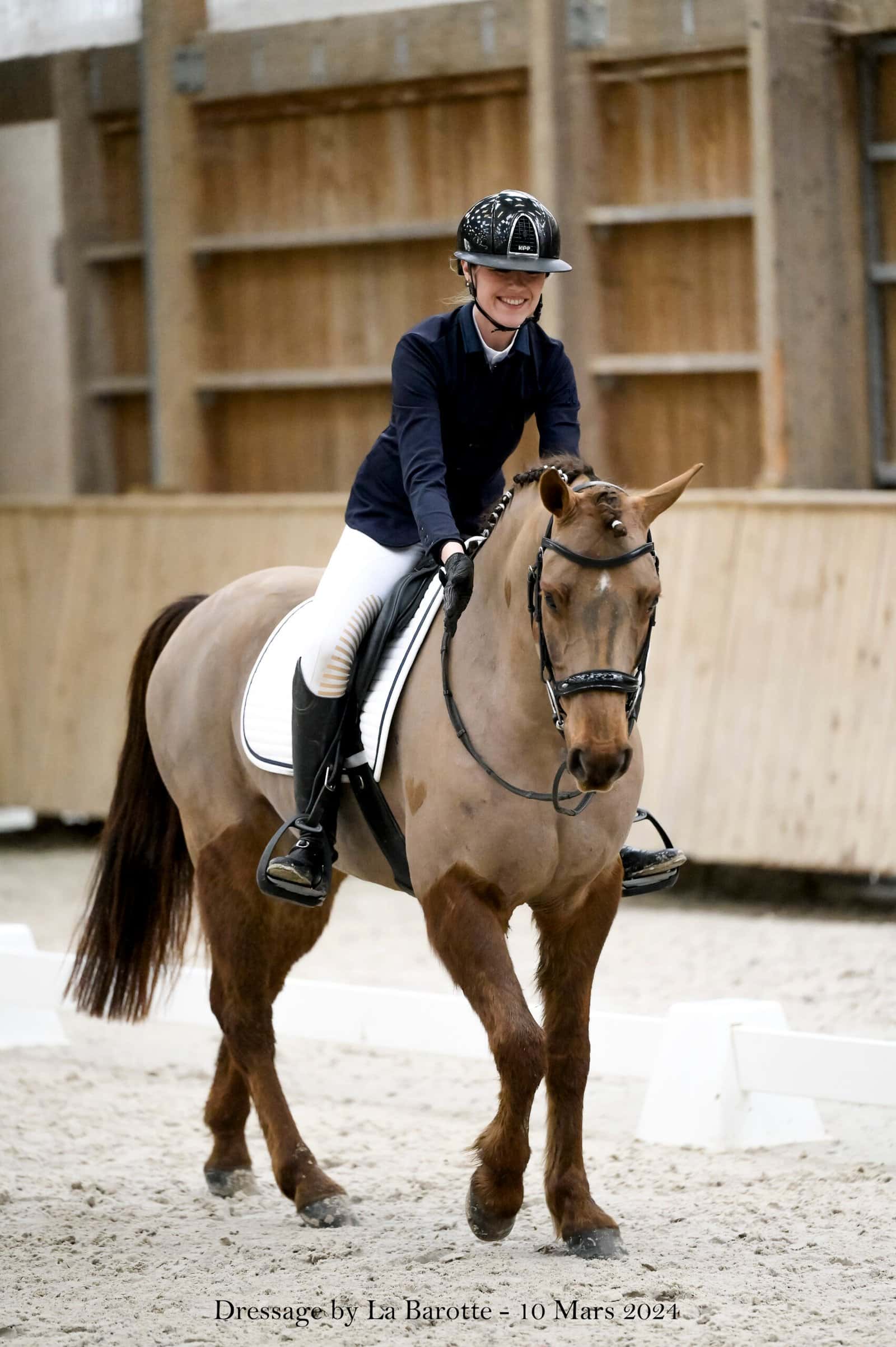
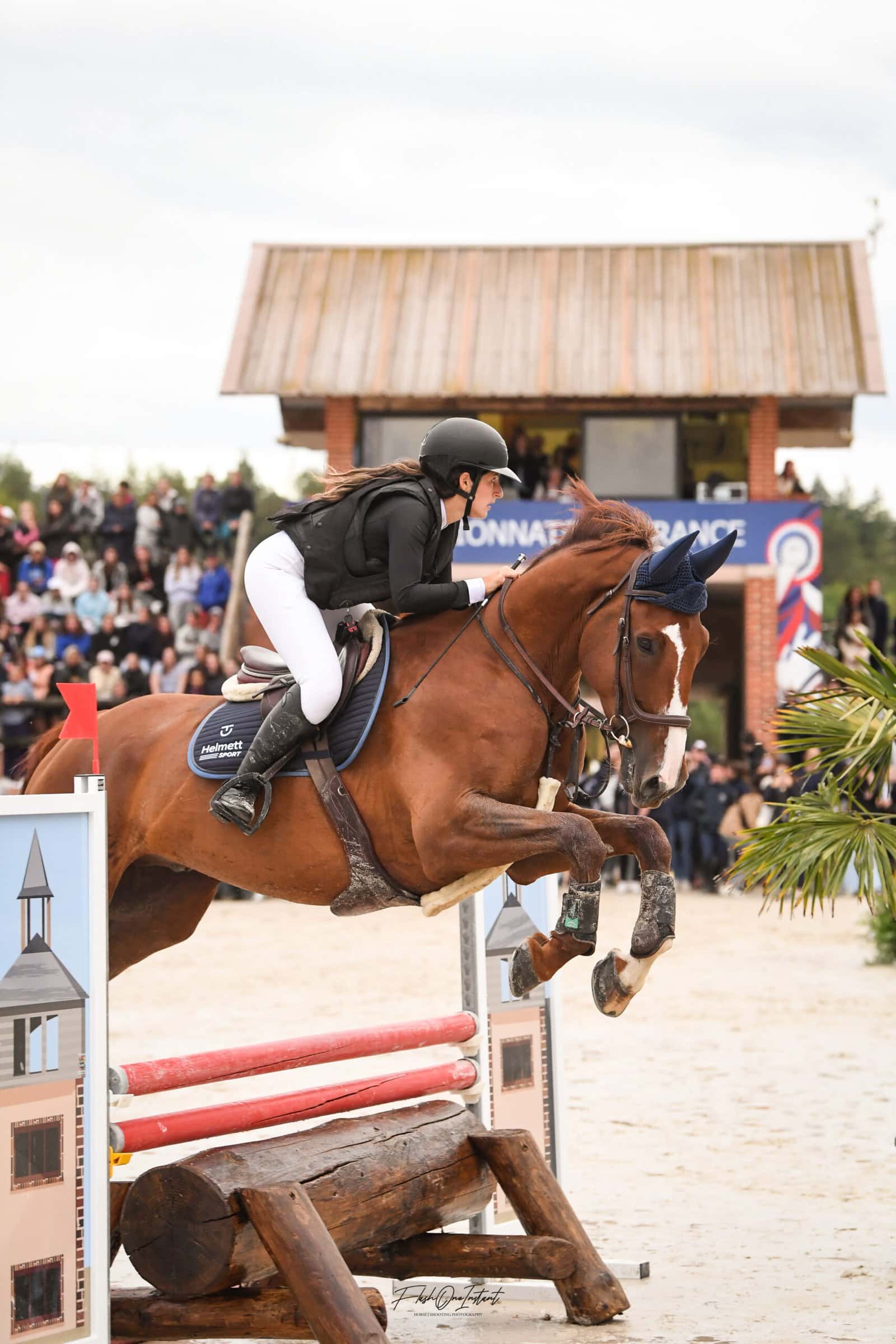
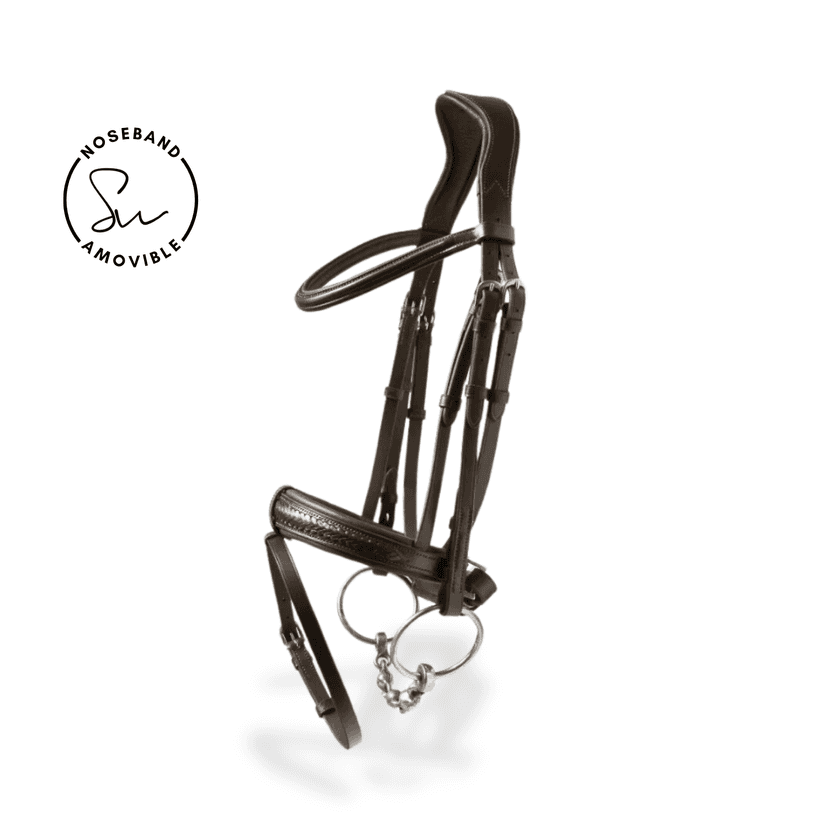
A nosebandless bridle remains a bitted bridle. It only removes the strap around the nose. The horse keeps its familiar mouth signals. Its jaw can also move without added pressure across the nasal bone.
Available research mainly describes the effects of overtight nosebands. It does not prove that removal suits every horse. A correctly fitted noseband can stabilise certain bits. Choose from an observed response, not a trend.
Classic bridle: a reference during transition
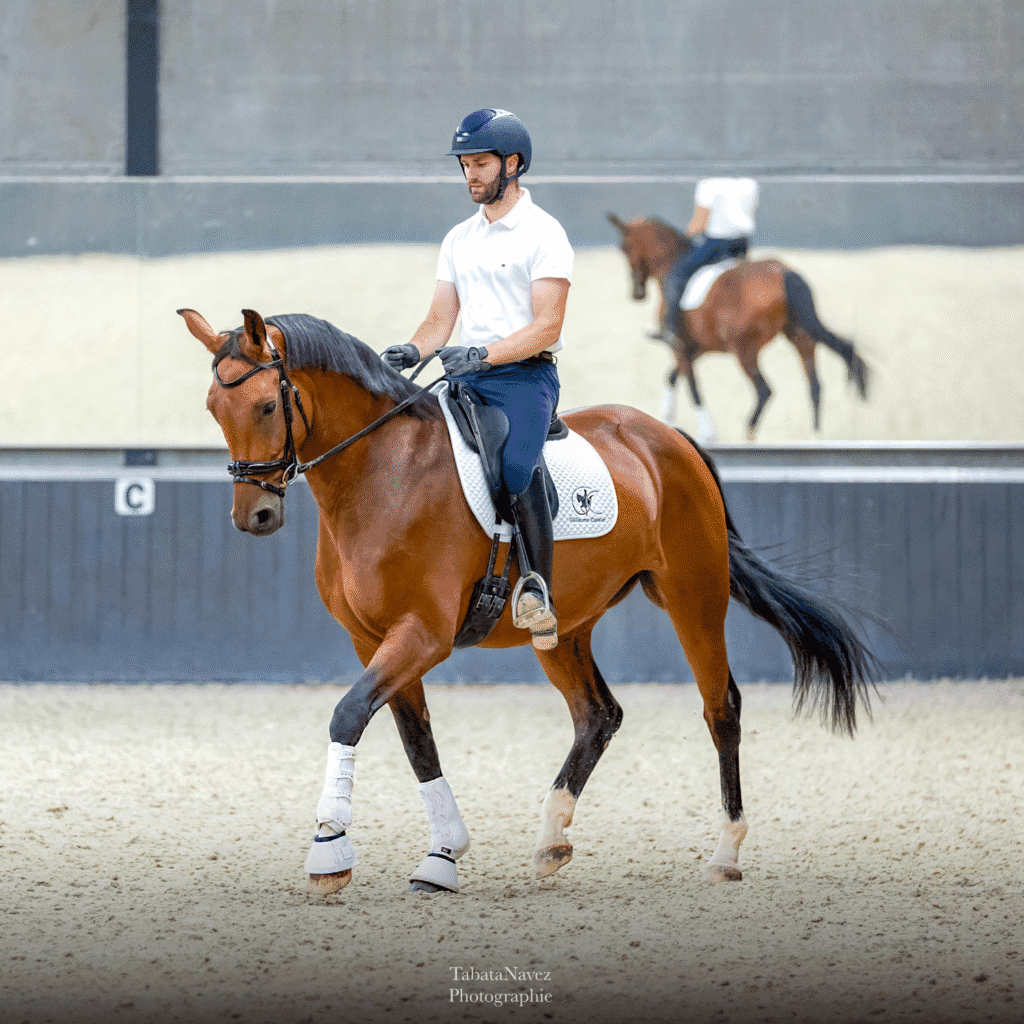
A classic bridle remains useful during transition. The horse already understands its signals. The rider can introduce the sidepull in short sessions. Steering, braking and relaxation can then be compared without removing every reference together.
An anatomical horse bridle may leave more room around the ears. Its noseband must still match the head. Design never corrects fixed hands. It also cannot replace dental checks or advice from a bit fitter.
Compare current models in the sidepull collection. For the bitted option, read the nosebandless bridle guide.
The sidepull: a simple, precise bitless bridle
A sidepull is a bitless bridle. Its noseband carries the rein rings on each side. Tension acts directly across the nasal bone and the side of the nose. An opening rein indicates direction without touching the mouth.
Direct action stays readable when the noseband does not rotate. The fit must stop the bridle moving towards the eye. It must also leave the nostrils clear. A low noseband can compress a weaker part of the nose.
How it differs from other systems
A hackamore uses shanks and leverage. Small rein tension can therefore create an amplified action. A sidepull does not use this mechanism. Its pressure relates directly to the rider's hand.
A rope halter concentrates pressure through narrow rope and knots. It can also move more easily. A leather sidepull offers a broader surface. Its construction must still fit the horse's head.
A cross-under bitless bridle passes straps beneath the jaw. Release may be slower with some designs. A sidepull avoids this crossing. Its lateral signal resembles a flat halter fitted with reins.
What a sidepull changes in training
The first change concerns the mouth. The bit disappears, but pressure does not. It moves to the nose and sides of the head. That distribution may suit a horse with mouth sensitivity.
The rider also receives different feedback. Pulling does not necessarily create more control. A long action can invite the horse to lean. Brief requests followed by a clear release keep the signal understandable.
A horse sidepull often supports two-handed work. It can suit transitions, circles and changes of direction. Safety still depends on the partnership. Test braking in an enclosed area before hacking out.
How to choose the right sidepull
Start with the horse's head shape. Take measurements and compare the published dimensions. A usual size label is not enough. Two Full horses can have very different cheek lengths.
Then inspect four areas. Each one affects stability and signal clarity. Make the first adjustment without rein tension. Watch the bridle during a few steps, then check every contact point.
The noseband
The noseband rests on the bony part of the nose. It sits below the facial crest without dropping towards the nostrils. Width spreads pressure. Clean padding limits rubbing, but never compensates for excessive tightening.
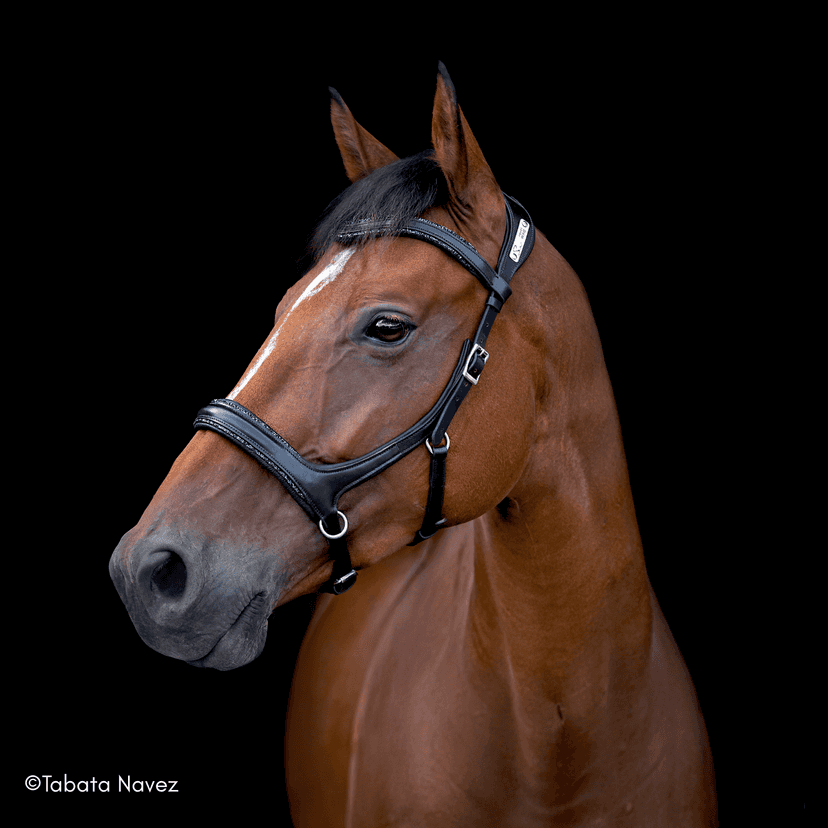
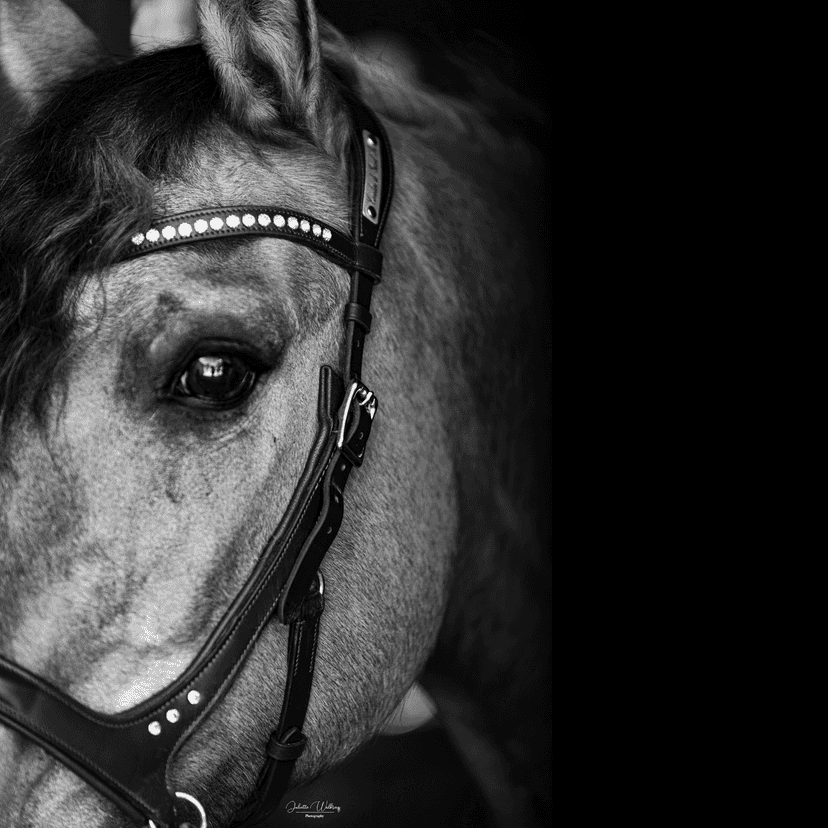
The Valkyrie and Montreux both use wide padded nosebands. Valkyrie adds crystal detailing. Montreux keeps a plainer finish.
The headpiece
The headpiece should leave room around the ear bases. It stays centred when one rein acts. Check that no buckle presses directly on the poll. Slide one finger beneath each edge, then watch the moving ears.
Valkyrie and Montreux use anatomical headpieces. The cut leaves space around the ears and broadens the bearing area. This shape helps only when the selected size places each curve correctly.
The throat strap
The throat strap limits sidepull rotation. It must not restrict the throat. Leave room for flexion and swallowing. If the noseband still rotates, review the cheekpiece adjustment as well.
Seek stable support on both Valkyrie and Montreux without tightening. Check both sides of the bridle. Symmetrical settings stop the headpiece being pulled towards one ear.
Cheekpieces and rein attachments
Cheekpieces connect the headpiece to the noseband. They lie flat and remain clear of the eye. Rein rings sit close to their intersection. This position limits rotation during a lateral request.
Montreux and Valkyrie share this direct lateral attachment. Inspect every seam and ring before riding. Replace a marked part. Never use the sidepull for leading or tying the horse.
Want a padded noseband with crystal detailing? View the Valkyrie sidepull directly. Measure your horse before selecting a size.
Successfully transitioning to bitless
Moving from a bit to a bitless bridle requires learning from horse and rider. Progress through short stages. Return to the previous stage when responses become heavy or unclear.
- Introduce the sidepull from the ground. Check halt, rein-back and lateral yielding inside an enclosed area.
- Ride in an arena. Start at walk, then add simple transitions and large circles.
- Confirm braking and steering in every pace. Keep sessions short and use light contact.
- Hack out only after responses stay consistent. Begin with company on a familiar, quiet route.
Posture and body weight should guide before the hand. A sidepull cannot solve a control problem. A professional can observe the horse and correct the fit.
Some horses alternate between bitted and bitless work easily. Others need steadier references. The right pace preserves steering, braking and relaxation.
And on the regulatory side?
Bitless tack is permitted in selected French competitions. Conditions vary by discipline and level. Always read the current FFE rules before entering an event.
The Smart Wag guide to FFE and FEI rules identifies the relevant tests. It also distinguishes a direct sidepull from a leverage hackamore.
Smart Wag sidepulls: between tradition and innovation
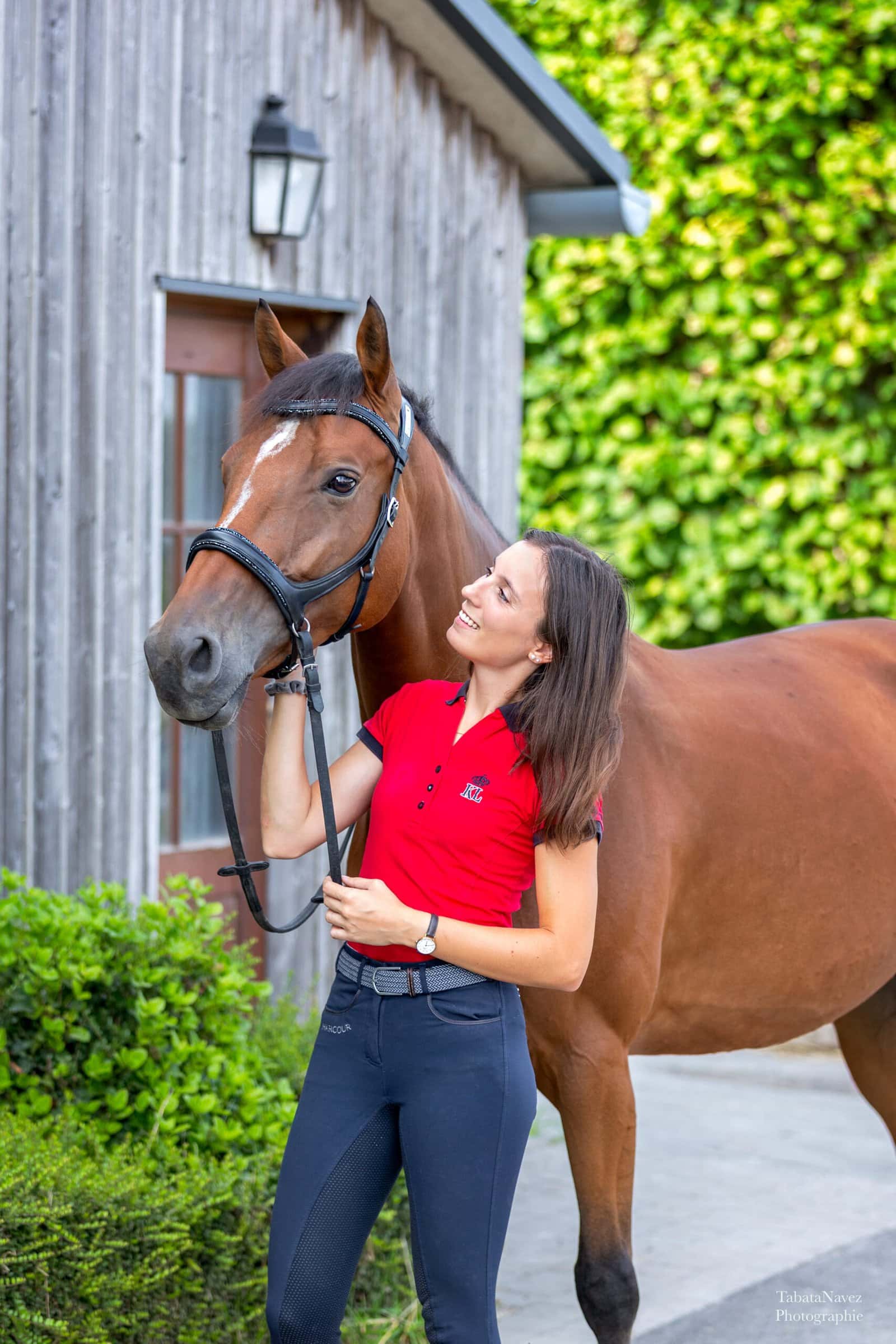
Smart Wag offers several sidepulls in genuine leather. The models shown here use anatomical headpieces and padded nosebands. They come in black or brown leather. A plate carries the personalised engraving offered on the product page.
The main choice between Valkyrie and Montreux concerns appearance. Their working principle remains direct. Next compare available sizes with your horse's measurements. The live product page remains the source for price.
Valkyrie: leather with crystal detailing
The Valkyrie is made from cowhide leather. Its wide noseband is lined and padded. Crystals edge this area. The anatomical headpiece leaves room around the ear bases.
This model is intended for mounted bitless work with a trained horse. The silver-coloured plate can carry an engraving. Current options include black or brown leather with silver-coloured fittings.
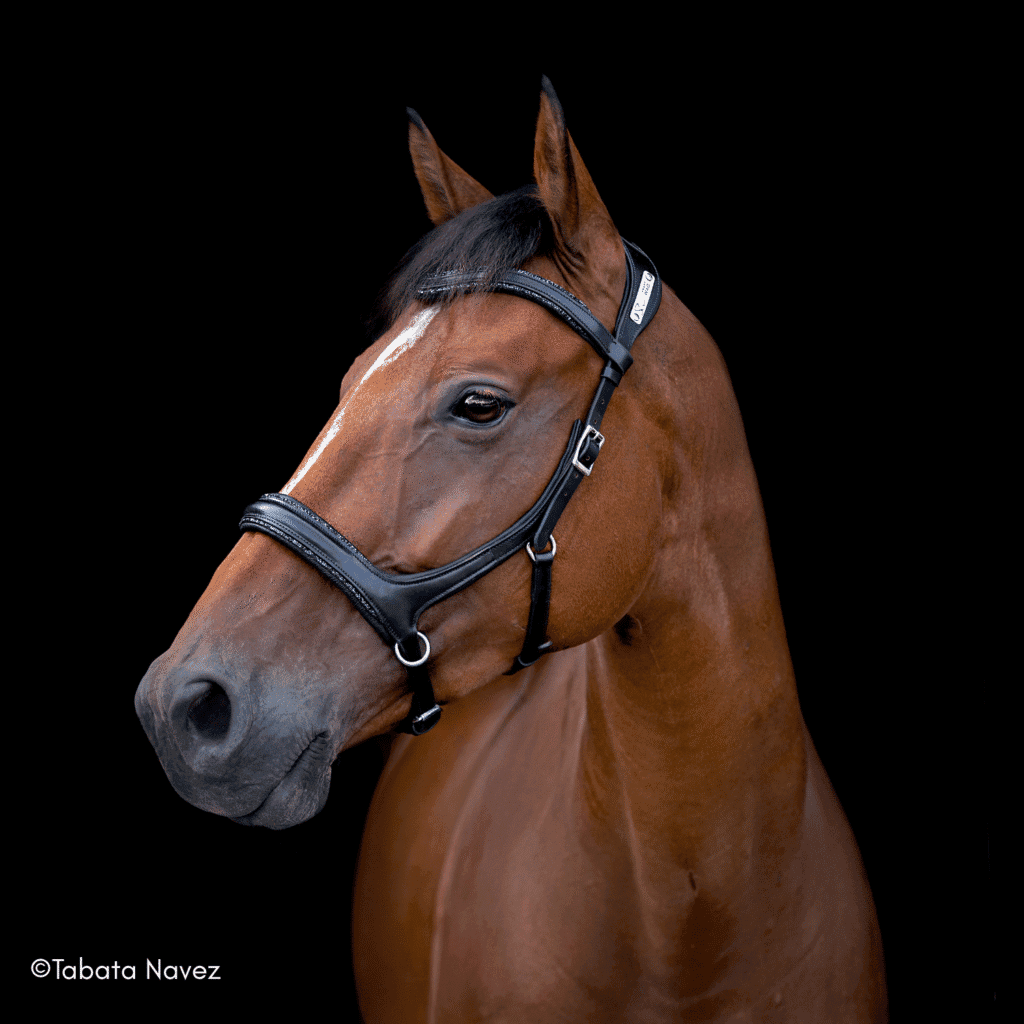
Montreux: leather with a plain finish
The Montreux also uses cowhide leather. Its wide noseband and anatomical headpiece are padded. The crystal-free finish suits riders who prefer a plainer line.
Montreux also carries a plate for personalised engraving. It comes in black or brown with silver-coloured fittings. Several sizes are listed. Check the measurements before ordering.
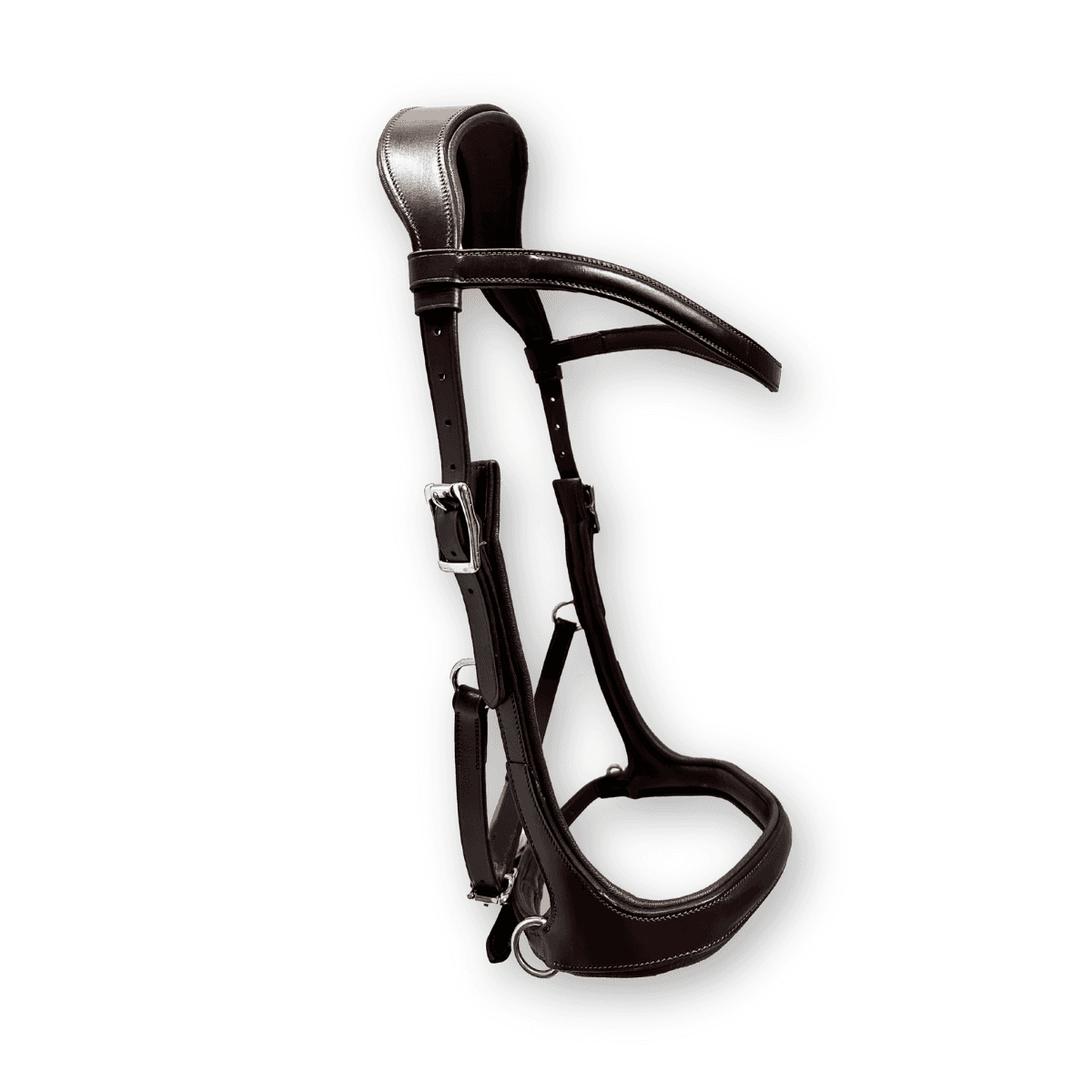
Want to compare a third model? The Verbier sidepull page presents its sizes, adjustments and engraving options.
Choose from the horse's responses
Choose a sidepull for direct nasal action without leverage. Keep a nosebandless bridle when the bit already suits. Use a classic bridle during an uncertain transition. Every option must preserve clear braking and light steering.
Test the equipment inside an enclosed area. Record a few transitions when possible. Head movement, mouth opening and leaning provide useful evidence. A bridle fitter can separate poor fit from missing education.
Browse available models in the Smart Wag sidepull collection. Product pages specify leather, sizes and personalised engraving.
Frequently asked questions about sidepulls
What is the difference between a sidepull and a hackamore?
A sidepull acts directly across the nose through lateral rings. It has no leverage. A hackamore uses shanks that amplify the rider's hand. It therefore requires more precise, intermittent contact and experienced hands.
Is a sidepull suitable for every rider level?
A sidepull provides clear signals, especially with two hands. The horse must still understand halt, steering and yielding. The rider needs a light hand. A gradual arena transition is preferable before hacking or competing.