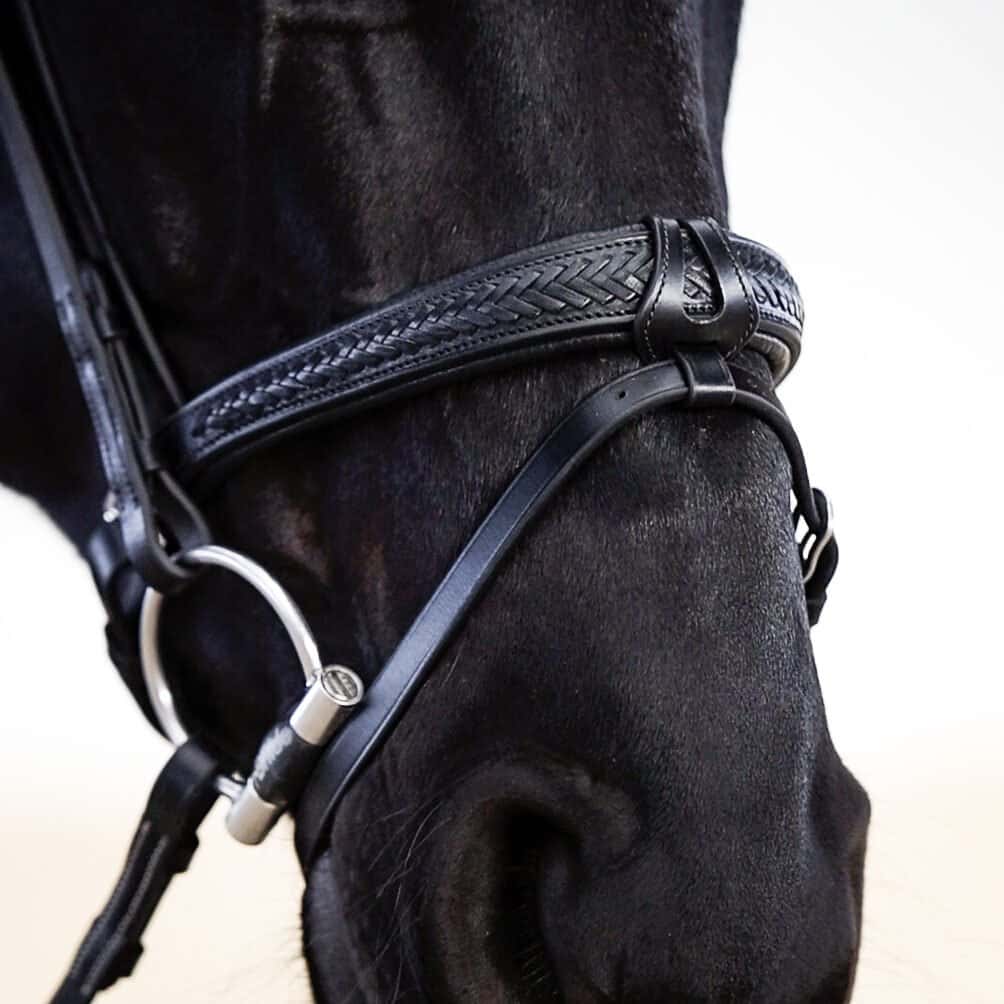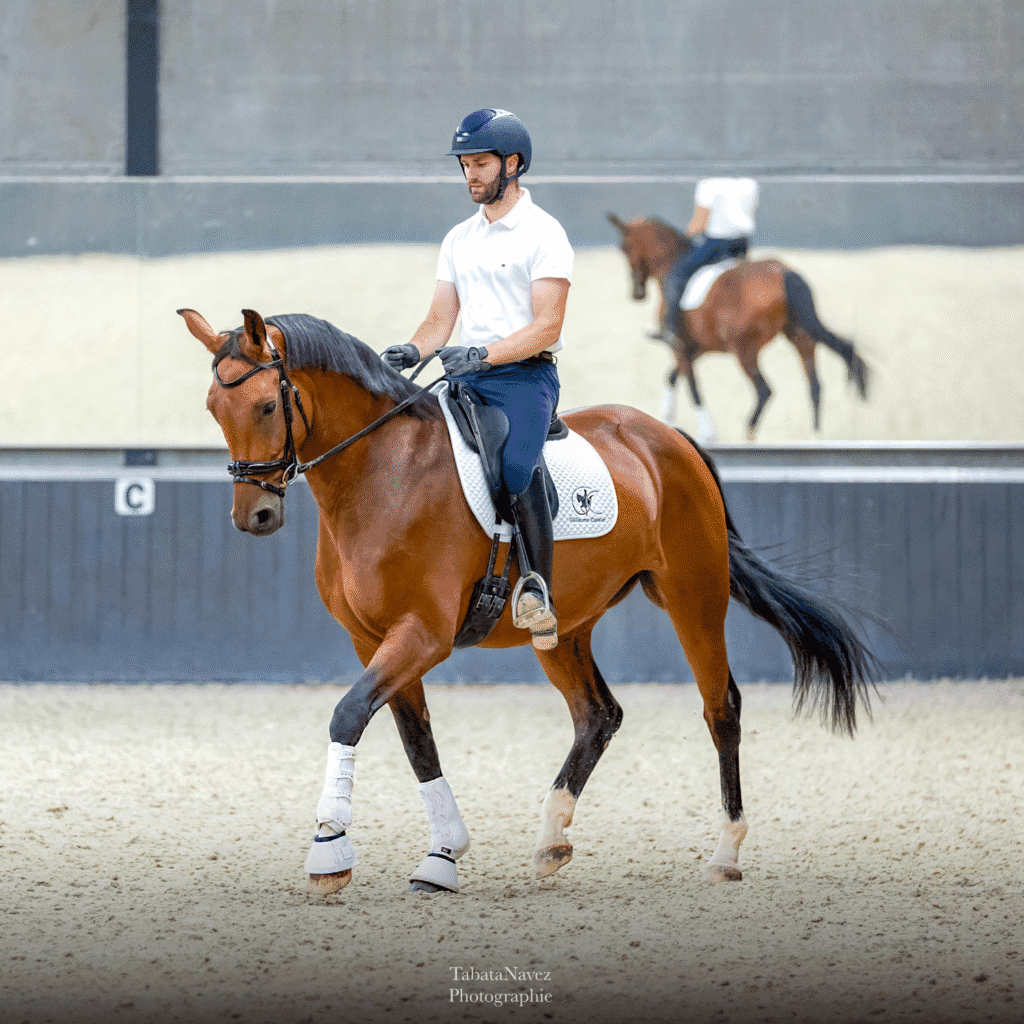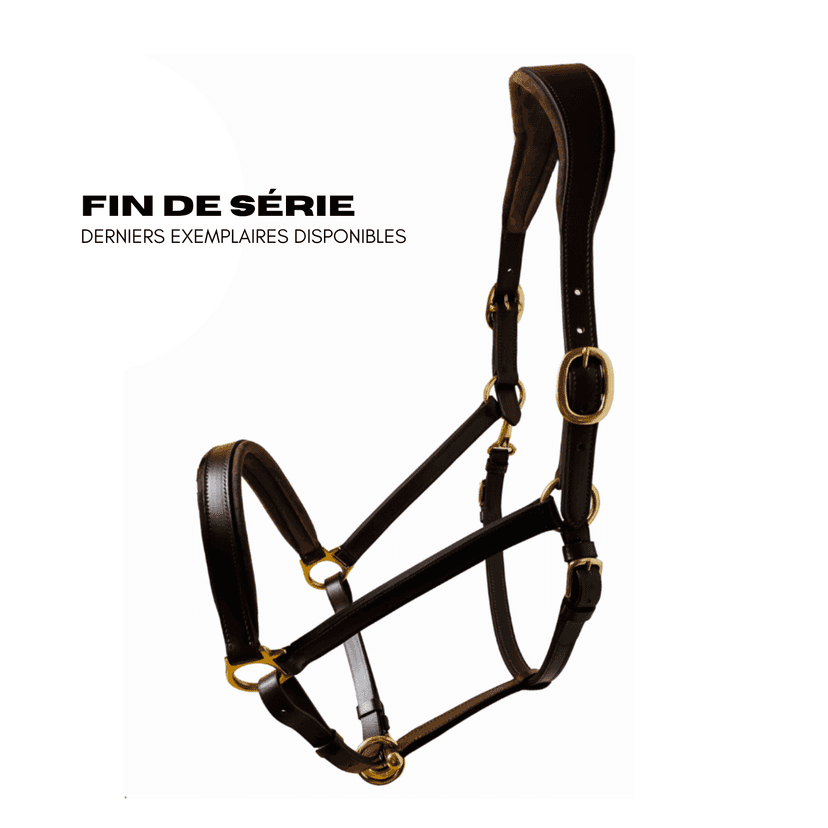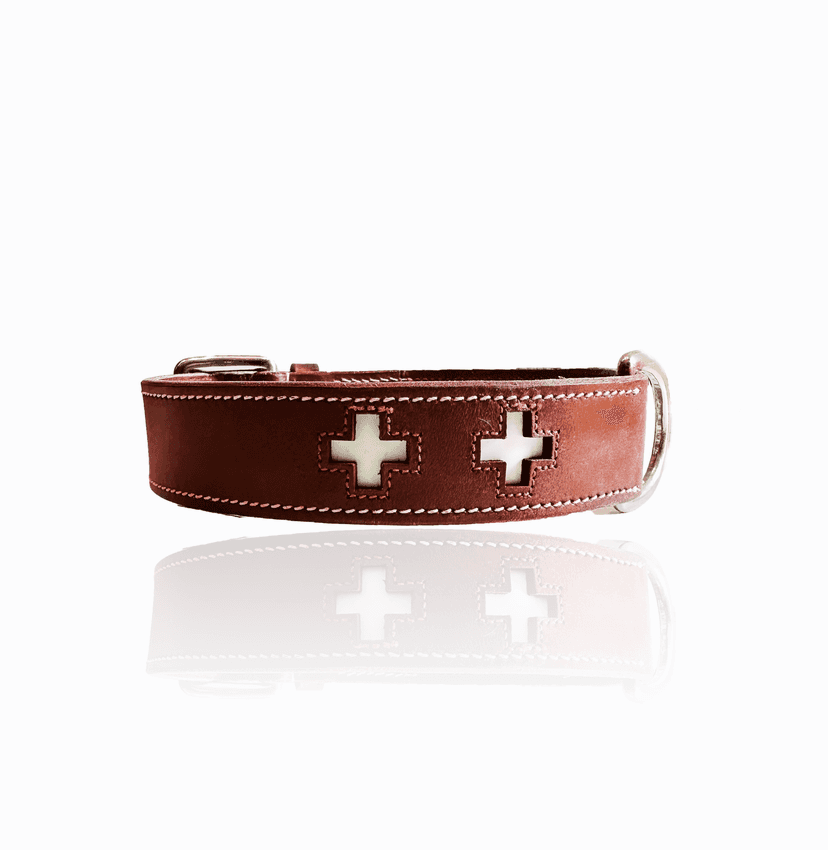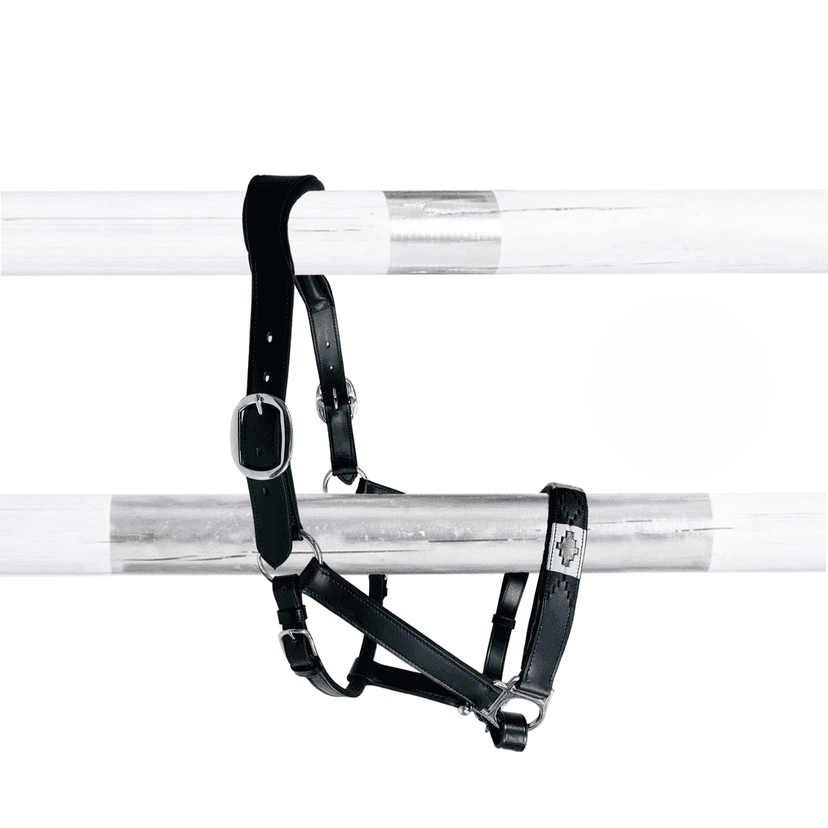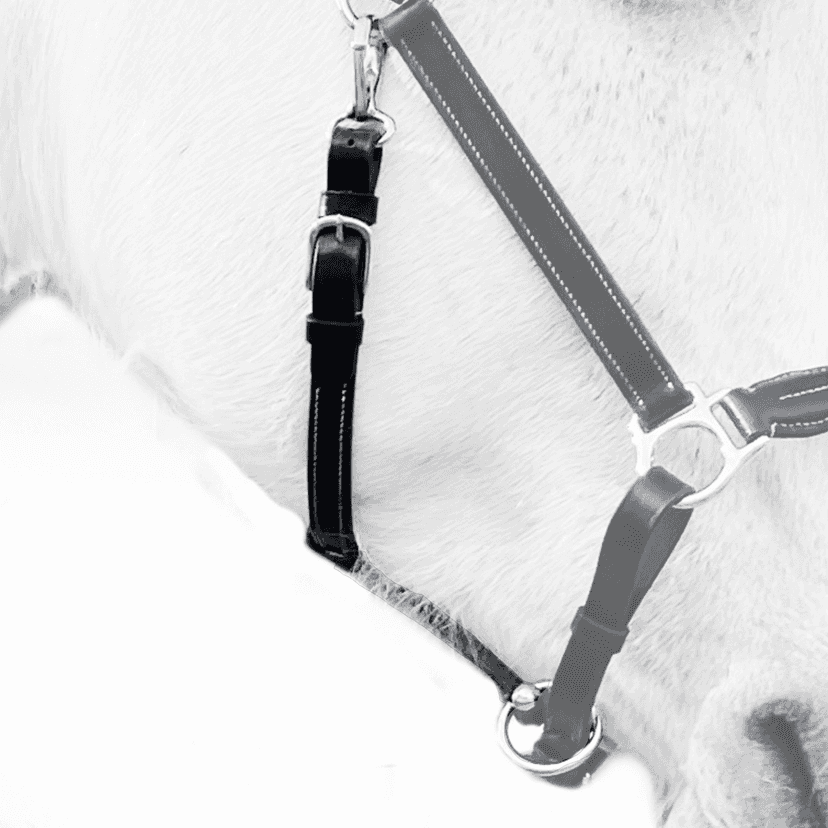
Equestrian safety is a major issue in France, where there are around 30,000 equestrian accidents per year, of which nearly 2,000 require hospitalisation (Public Health France). Some of these accidents could be avoided by better maintenance and regular checks of the equipment. Between the new standard EN 1384:2023 For helmets and the surprising lack of regulation for bridles, the equestrian regulatory landscape of 2026 presents paradoxes that must be understood to ensure optimal safety.
Equestrian safety standards in 2026: what really changes
2026 marks a turning point in equestrian regulation with the entry into force of the EN 1384:2023 standard, Published in the OJEU in December 2023, replacing the 2017 version. This evolution strengthens safety requirements for riding helmets: the required lateral rigidity increases from 630 to 800 N, the penetration energy from 14.7 to 18.4 joules, and the impact speed for tests to 5.05 m/s. Manufacturers have had to adapt their ranges to meet these new constraints, ensuring superior rider protection.
Paradoxically, while personal protective equipment is subject to increasingly strict regulations, There are no specific standards governing the manufacture of bridles, reins and other headgear equipment.. This situation, unique in the world of sport, leaves the responsibility for quality entirely in the hands of manufacturers and their craft expertise.
Regulated vs unregulated equipment: the great paradox
The equestrian regulatory landscape presents a surprising dichotomy. On one hand, Category III Personal Protective Equipment (PPE) – helmets and body protectors – must bear the CE marking and comply with strict European standards. Helmets follow the EN 1384:2023 standard, while body protectors meet the EN 13158 standard with its three levels: Level 1 (racing jockeys), Level 2 (low-risk leisure), Level 3 (beginners, cross-country, TREC).
On the other hand, saddlery – despite being a central element of equestrian safety – completely escapes any mandatory standardisation. Bridles, girths, stirrup leathers and other essential equipment rely solely on the expertise and know-how of saddlery artisans. This absence of a regulatory framework makes the selection of manufacturers known for their artisanal excellence all the more crucial.
Good to know: The absence of standards for bridles does not mean an absence of quality. French artisans like Smart Wag apply strict internal control protocols, with complete traceability and systematic resistance tests beyond common industrial practices.
FFE and FEI regulations 2024-2026
The French Federation of Equestrianism (FFE) and the International Equestrian Federation (FEI) have strengthened their requirements for 2024-2026. Wearing an approved helmet is now mandatory in the majority of FFE disciplines in competition (CSO, CCE, youth dressage, TREC, endurance, ride & run), with a few residual exceptions, notably in amateur working equitation. This trend is supported by alarming statistics: 75% of riding-related deaths are caused by head or neck injuries Public Health France.
Level 3 protective vests (compliant with EN 13158) are also mandatory for certain high-risk disciplines: cross-country in eventing, marathon in driving, and Cross Country (PTV) in TREC, for both horse riders and drivers. This regulatory change is part of a strategy to reduce serious accidents, knowing that’Around 80% of equestrian accidents involve falling from a horse.
Resistance testing and quality control: professional standards
The safety of equestrian equipment relies on stringent testing protocols, even in the absence of mandatory standards for certain products. Responsible manufacturers voluntarily apply test suites that often exceed the industry's minimum requirements.
Technical testing protocols
Horse riding leather resistance tests primarily follow the ISO 3376:2020 standard, which defines the method for measuring tensile strength and elongation at break. The standard describes the protocol; numerical thresholds are determined by the specifications of each workshop. High-end craftspeople typically aim 20 N/mm² or more for the structural parts of the bridle, a value far exceeding the actual usage constraints.
Beyond the leather, critical components – straps, stirrup leathers, billets – undergo internal static tensile and cyclic fatigue testing. Target breaking loads significantly exceed the maximum tension exerted by a rider, incorporating a substantial safety factor to absorb wear and unexpected stress peaks. This «internal testing» approach partially compensates for the absence of mandatory standards for bridles.
French craft quality control vs industrial
French craftsmanship is distinguished by a radically different quality approach compared to industrial production. In a workshop like Smart Wag, each piece is the subject of a Systematic visual and tactile inspection by a master craftsman. This human check detects subtle defects that no machine could identify: variations in leather grain, micro-cracks, tanning irregularities.
The stitch density is another quality marker. High-quality hand-stitching achieves 12 to 15 points per centimetre, compared to only 8 to 10 points in industrial production. This apparently small difference doubles the strength of assemblies and triples their lifespan. Complete traceability, with the artisan's signature and date, guarantees full accountability for each person involved.
Did you know? In the absence of a mandatory standard for harnesses, high-end manufacturers apply internal safety factors far exceeding common industrial practices. This additional margin ensures the reliability of the equipment even in cases of advanced wear.
Accredited testing laboratories
The Leather Technical Centre (CTC), based in Lyon, is COFRAC accredited according to the standard ISO/IEC 17025 For physico-mechanical tests on leather, textiles, footwear and PPE. The CTC is the French reference for testing leather goods and saddlery: mechanical resistance, accelerated ageing, UV resistance, non-toxicity chemical tests.
Having processes validated by an independent laboratory is a voluntary approach that ensures maximum reliability of the products offered. This dual validation, internal controls and external certifications, distinguishes committed manufacturers from purely industrial assemblers.
Technological innovations 2026: towards safer riding
The year 2026 marks the advent of technologies in equestrian safety. These innovations, combining onboard electronics and cutting-edge materials, are transforming the approach to rider protection.
The airbag revolution without cables
The recent major innovation is the’E-Twist’Air from Horse Pilot, in partnership with In&motion: the first all-electronic equestrian airbag system, without a tether connected to the saddle. This system detects falls 25 milliseconds thanks to its integrated gyroscopic and accelerometer sensors, then triggers the inflation in 30 milliseconds more.
This technology is approved according to the standard NF S72-800:2022, published in March 2022 – the first and only specific standard for equestrian airbags, which now serves as the basis for the revision of EN 13158. The actual effectiveness of equestrian airbags remains scientifically debated: the French prospective study conducted between 2013 and 2015 on cross-country riders did not highlight any clear statistical benefit, but feedback from the field and manufacturer data suggest significant protection against thoracic and spinal trauma, particularly during rotational falls.
High-performance, eco-responsible materials
Next-generation composite materials are transforming the design of equestrian equipment. French flax fibres, used for example by Egide in its Epona helmet, offer an eco-responsible alternative to traditional synthetic fibres. European flax has a carbon footprint that is approximately 75% lower than that of cotton (source Carbone 4) ; mechanical performance remains comparable to traditional synthetic composites.
Invisible protective nano-coatings represent another breakthrough for leather protection. These surface treatments, applied at a molecular level, create a waterproof and stain-resistant barrier without altering the natural breathability of the leather. Modern artisans are gradually incorporating these innovations while preserving the traditional techniques for which they are renowned.
Customisation, a key safety factor
Far from being a mere marketing argument, made-to-measure customisation constitutes a real security factor. Studies conducted by Hartpury University (Dr Russell MacKechnie-Guire) demonstrate that a bridle perfectly fitted to the horse's morphology significantly reduces pressure zones and improves locomotion. Conversely, a poor fit creates friction points and triggers defensive behaviours which are a frequent cause of accidents.
At Smart Wag, each bridle is designed to the horse's precise measurements, eliminating pressure points and optimising the distribution of pressure. The leather is selected and worked according to its specific use, intensive competition, leisure, or daily work, to maximise durability. Reinforcements are strategically placed on identified stress zones, extending the lifespan while maintaining optimal safety.
Practical guide: checking and maintaining your equipment
Equestrian safety is not limited to purchasing quality equipment. Rigorous maintenance and regular checks directly influence the reliability of your gear and, consequently, your safety.
Pre-use inspection checklist
Before each use, a systematic visual and tactile check is required. The Cracks larger than 2 mm on the leather constitute a significant warning sign necessitating the immediate replacement of the part. The stitching deserves particular attention: as soon as 20% points are faulty, a complete refurbishment is necessary to avoid any risk of sudden rupture.
The gentle tension test allows for the structural integrity of the equipment to be verified. Apply moderate pressure to each element – straps, uprights, browband – observing for any abnormal deformation or suspicious cracking. Metal buckles require a thorough inspection to detect any signs of oxidation, particularly at the levels of the pins and loops which undergo maximum stress.
Warning: Never use equipment that raises any doubts about its integrity. The cost of preventative replacement will always be less than the consequences of a failure in operation. To find out more on this subject, consult our Equestrian leather care expert guide.
Maintenance frequencies according to use
| Type of use | Cleaning | Leather conditioning | Professional inspection |
|---|---|---|---|
| Daily intensive | After every session | Monthly | Quarterly |
| Occasional (1-2×/week) | After use | Quarterly | Twice yearly |
| Competition | Twice weekly | Twice monthly | Monthly |
These frequencies represent absolute minimums. Extreme weather conditions – high humidity, intense heat, frost – necessitate increased vigilance and may require an increase in the frequency of care. Cleaning products must be specifically formulated for equestrian leather: generic formulations can alter the material's mechanical properties.
Fatal mistakes to avoid
Five mistakes irrevocably compromise the safety of your equestrian equipment. humid storage (relative humidity above 60%) encourages the growth of mould, which damages the internal structure of the leather. The use of products containing alcohol It dries out the leather and accelerates its degradation.
The Drying near a direct heat source causes a brutal shrinkage and crystallisation of the leather fibres, making it brittle. The overtightening during storage permanently deforms the structure and creates invisible weak points. Finally, the neglect of micro-cracks, even superficial ones, constitute the most dangerous error: these minor defects rapidly evolve into complete ruptures under stress.
Legal framework and liabilities: who is responsible for what?
The legal framework for equestrian safety precisely defines the responsibilities of each actor. This allocation, clarified by recent case law, imposes strict obligations whose disregard can have heavy financial and criminal consequences.
Obligations by actor
The Rider-owner The user bears primary responsibility for the maintenance and inspection of their equipment. This duty of care involves regular checks and the immediate replacement of any faulty components. In the event of an accident due to obvious maintenance failure, their civil or even criminal liability may be engaged.
The Riding centres they bear a reinforced obligation of means concerning the equipment provided. They must guarantee the compliance of the equipment, its regular maintenance and its suitability for the riders' level. Recent case law tends towards an obligation of result for the safety of minors, making riding centres automatically liable unless proof of fault by the rider can be established.
The manufacturers are subject to the minimum 2-year legal warranty of conformity and product liability (Articles 1245 et seq. of the Civil Code). For PPE subject to CE marking, the absence of marking is punishable by a 5th class contravention (up to €1,500 per product, €3,000 for repeat offense, Article R451-1 of the Consumer Code). The marketing of non-compliant PPE may also be qualified as deception, punishable up to 2 years' imprisonment and a fine of €300,000 (Article L454-1). Committed manufacturers go beyond these legal obligations by offering an extended warranty on manufacturing defects and responsive after-sales service.
Recent case law and implications
Recent court decisions confirm a now-established principle: the The equestrian centre's liability is modulated according to the rider's level.. The Court of Cassation, and more recently several Courts of Appeal in 2024 (notably Amiens, 18 January and 13 February 2024), have reiterated that a beginner rider benefits from enhanced legal protection, whereas an experienced rider is presumed to know and accept the risks inherent in the sport.
On the materials provided by the centre, the common law regime remains that of The obligation of means the victim must, in principle, demonstrate the centre's breach of its duty of care or faulty equipment. The regime of liability for animals (Article 1243 of the Civil Code) is distinct and, conversely, follows a presumption mechanism that can be applied if the accident is caused by the horse itself.
French craftsmanship, a guarantee of safety: the Smart Wag case
In a context where bridle-making is not subject to mandatory standardisation, artisanal excellence becomes the primary guarantee of safety. Smart Wag embodies this French tradition of high standards, combining age-old know-how with modern demands to offer equipment of proven reliability.
The Smart Wag craft quality control process
Smart Wag's quality philosophy is based on a rigorous selection of raw materials. Only full-grain French leather, sourced from certified tanneries, enters our workshops. This primary requirement guarantees optimal mechanical properties and a lifespan of 15 to 20 years with appropriate care, double that of standard industrial products.
Chaque pièce subit un double visual and tactile check by a master craftsman trained to detect the most subtle defects. This irreplaceable human inspection identifies variations in grain, areas of potential weakness, and irregularities invisible to automated checks. full traceability, with a signature and dating for each stage, personally commits each artisan to the final quality of the product.
The internal tests The systems applied by Smart Wag are part of a voluntary commitment that goes beyond standard industry practices: traction tests according to the ISO 3376:2020 method, cyclic bending tests on structural parts, and strength testing of seams and hardware. This requirement translates into a very low return rate and a recognised reputation for excellence within the professional equestrian community.
Customisation in the service of safety
Smart Wag customisation transcends aesthetics to become a genuine safety asset. precise measurements each horse's allows for the elimination of pressure points that can cause unpredictable reactions from the animal. This morphological adaptation reduces discomfort and associated defensive behaviours, which are a common cause of accidents.
The choice of Leather suitable for the specific use optimises performance and longevity. A competition bridle requires softer leather for sensitive contact, whereas everyday working tack will prioritise robustness. The strategic reinforcements, positioned at the identified stress zones according to the discipline practised, they prevent premature wear while maintaining the overall lightness.
The’evolutionary adjustment constitutes a unique advantage of Smart Wag craftsmanship. Unlike rigid industrial products, our bridles can be modified to accommodate a horse's morphological changes or adapt to a change in discipline. This flexibility significantly extends the useful lifespan of the equipment.
The excellence of French leather
The traditional vegetable tanning practiced by Smart Wag's partner tanneries gives the leather remarkable properties. This ancestral process, using exclusively natural tannins, produces leather of exceptional durability. 15 to 20 years against 5 to 10 years for industrial chrome leathers. The molecular structure thus obtained offers superior resistance while retaining suppleness and breathability.
The’Optimised thickness of 2.8 to 3.2 mm Smart Wag reins are the result of years of experience and testing. This dimension, exceeding industry standards of 2.2 to 2.5 mm, guarantees exceptional mechanical strength without compromising the horse's comfort.
The 15 stitches per centimetre hand finishing represent the pinnacle of artisanal excellence. This stitch density, which is 50% higher than industry standards (8 to 10 stitches per centimetre), triples the strength of the seams. Each stitch is made using waxed linen thread, a fine material that becomes stronger over time, unlike synthetic threads, which deteriorate.
Frequently asked questions
Why aren't snaffle bridles and bridlework CE-certified?
CE marking is only mandatory for Personal Protective Equipment (PPE) such as helmets and protective vests. Bridlework and saddlery are not subject to any mandatory European standards. However, reputable manufacturers apply their own internal protocols for resistance testing and quality control.
What is the lifespan of a full-grain leather bridle?
With proper care, a vegetable-tanned full-grain leather bridle can last 15 to 20 years, or 2 to 3 times longer than a standard industrial bridle. This longevity depends on the thickness of the leather (ideally 2.8 to 3.2 mm), the density of the stitching (15 stitches/cm hand-stitched) and the rigorousness of the care.
How do you know when to replace your equestrian equipment?
Four critical signs call for immediate replacement: leather cracks over 2 mm, failing stitching on more than 20% of stitches, visible permanent deformation, advanced oxidation of the hardware (particularly tongues and keepers). When in doubt, have the piece assessed by a professional saddler.
Does customising a bridle improve safety?
Yes. Hartpury University studies (Dr MacKechnie-Guire) show that a bridle that perfectly fits the horse's morphology significantly reduces pressure zones and improves locomotion. Well-fitting equipment also prevents defensive behaviours linked to discomfort, which are a frequent cause of accidents.
Are equestrian airbags effective?
Modern equestrian airbags are approved to the NF S72-800:2022 standard (for example, the Horse Pilot E-Twist'Air detects a fall in 25 ms and triggers inflation in 30 ms). Their effectiveness against serious injuries remains scientifically debated: a French prospective study from 2013-2015 did not show a clear statistical benefit, but manufacturer data and field reports suggest significant protection against thoracic and spinal trauma.
French artisanal excellence for your safety
Equestrian safety begins with choosing equipment that meets the demands of your riding. At Smart Wag, each bridle is entirely made in France from full-grain leather, with a hand-stitched finish of 15 stitches per centimetre and traceability signed by the artisan. Internal control protocols are part of a voluntary approach that goes beyond common industrial practices, and each model can be precisely adjusted to your horse's morphology to eliminate pressure points.
Discover our range of customisable snaffle bridles:
- Mont Blanc anatomical bridle anatomical cut for horses that demand comfort
- New Soul bridle Contemporary design, versatile for all disciplines
- Braided leather bracelet from Basel, Exceptional artisanal braided finish
- Patent leather bridle Zurich, elegance and performance for dressage
- Shambord bridle A timeless classic, hand-stitched