ADJUSTING YOUR HALTER: THE MARKS.
The halter is an element of style but also an element of safety. Whether at the tether, during transport, or simply to lead the horse in hand, it is often an essential link between the rider and his horse.
As the halter rests on the horse's head, during events that put the halter under tension (sudden movements on the part of the horse or rider), it is important that the halter is comfortable for the horse, and does not cause him pain. This is why it is necessary to choose the right size, in order to be able to adjust it correctly. A poorly adjusted halter is also a halter likely to break more easily, the pressure points being poorly distributed.
Choosing the right size of your halter
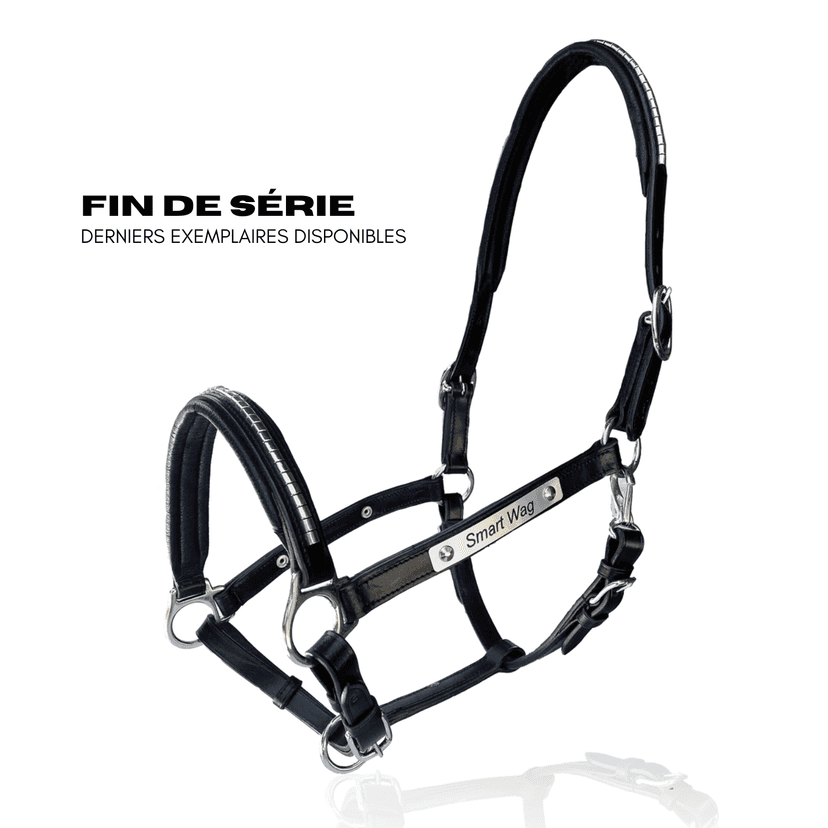
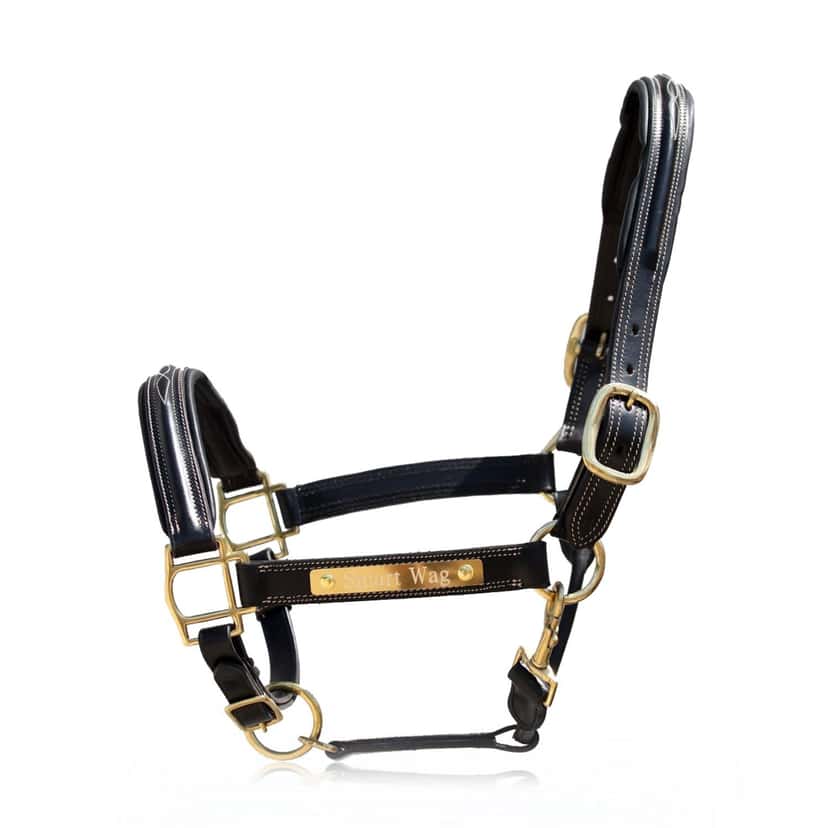
At Smart Wag, our halters have double adjustment on the headpiece, as well as adjustment possibilities on the noseband and underlay. The only parts that will not vary in size are the uprights between the noseband and the headstall. It is therefore essential to choose the right size depending on the length of the horse's head. To find out the measurements of our halters, you can find them on the size guide.
The correct adjustment of your horse's halter
Once the right size has been chosen, you will need to make sure to properly adjusted his halter. Indeed a halter that is too tight will compress the tissues of the horse's head, which is particularly sensitive because it is innervated on the surface.
A halter on the contrary, adjusted too loosely, will be unstable and therefore annoying, and will risk causing the noseband to fall on the nasal bone if the headpiece is adjusted too long. This same reason would also risk to make the headpiece slip onto the neck, at the level of the first cervicals, while its initial place is at the level of the horse's atlas. This would lead pressure pain , but also would blur the rider's demands with the lead rope.
How to check that a halter is correctly adjusted?
To properly adjust your halter, you can check several points:
- The adjustment of the noseband.
- The positioning of the noseband
- Positioning of the headpiece
Landmarks
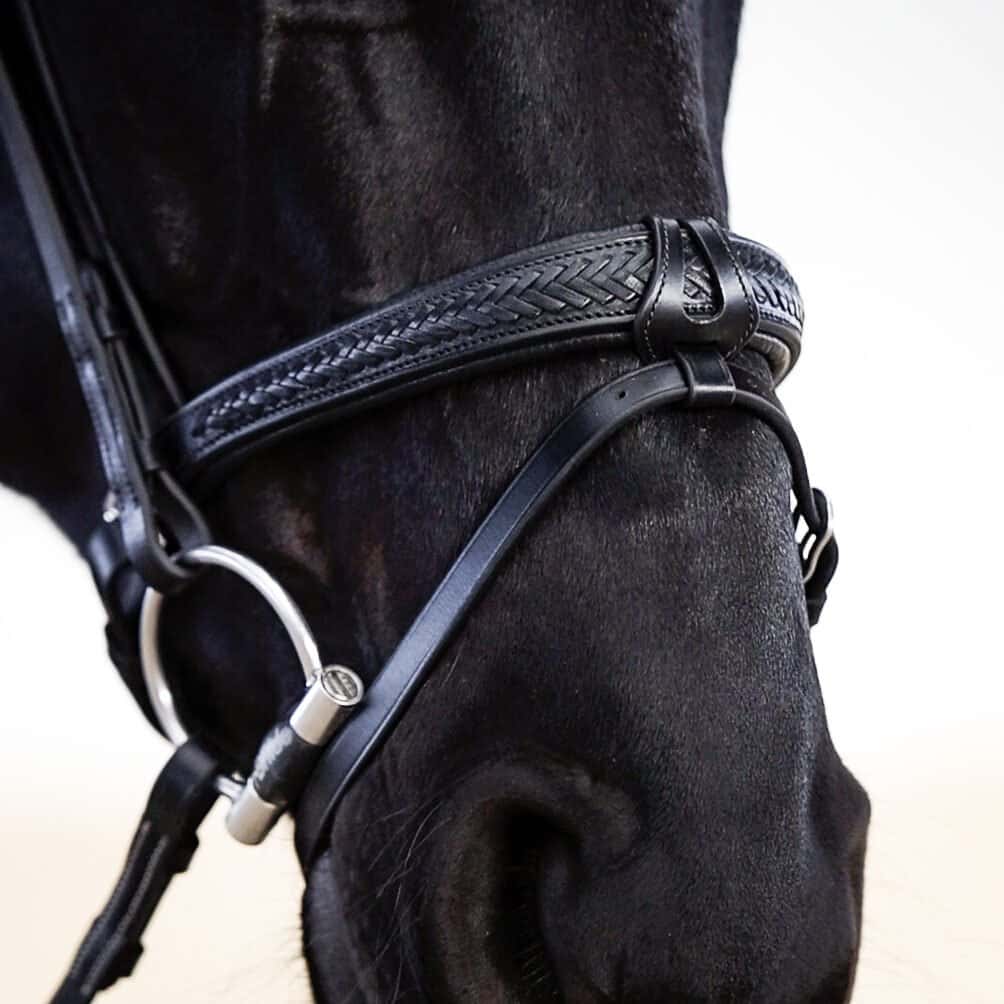
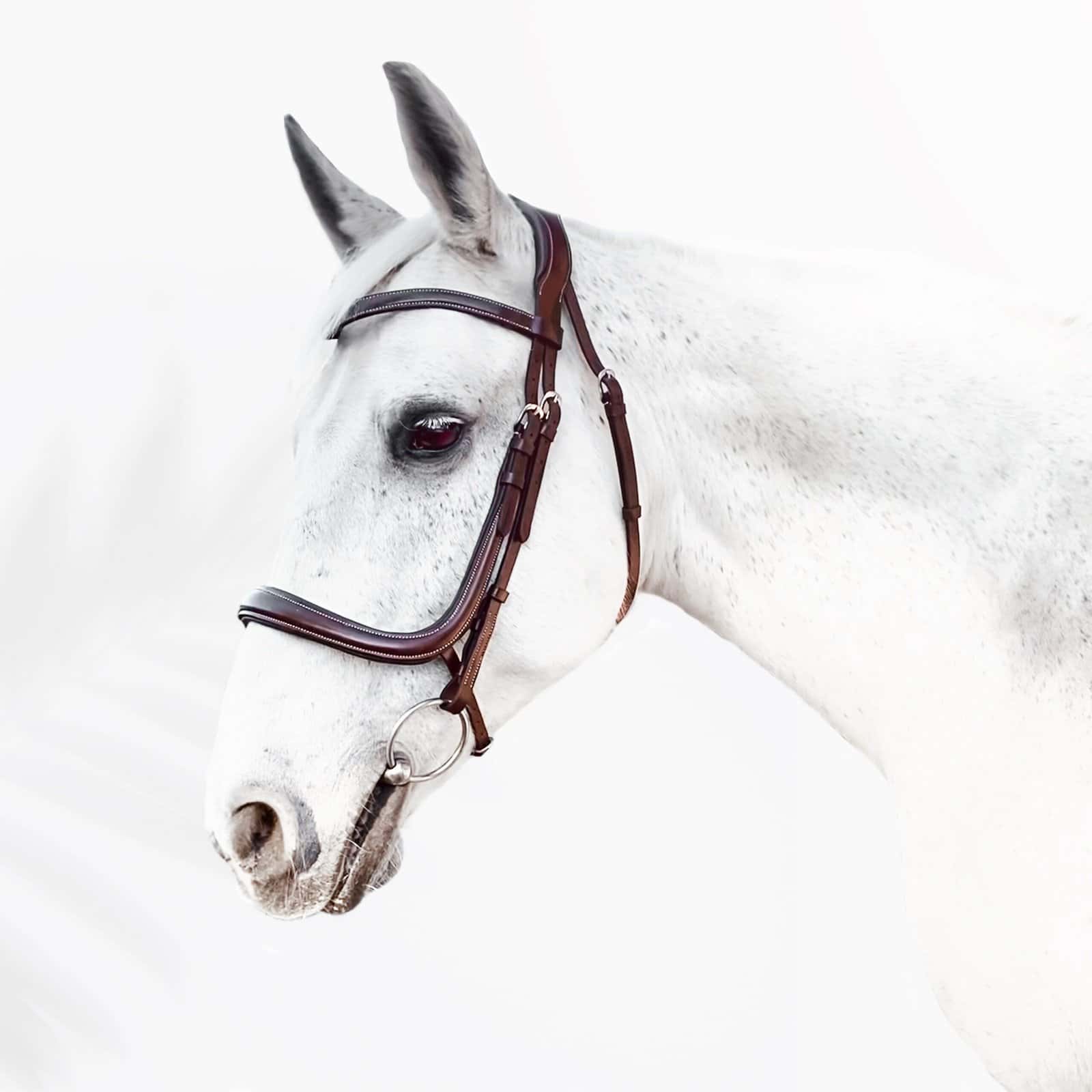
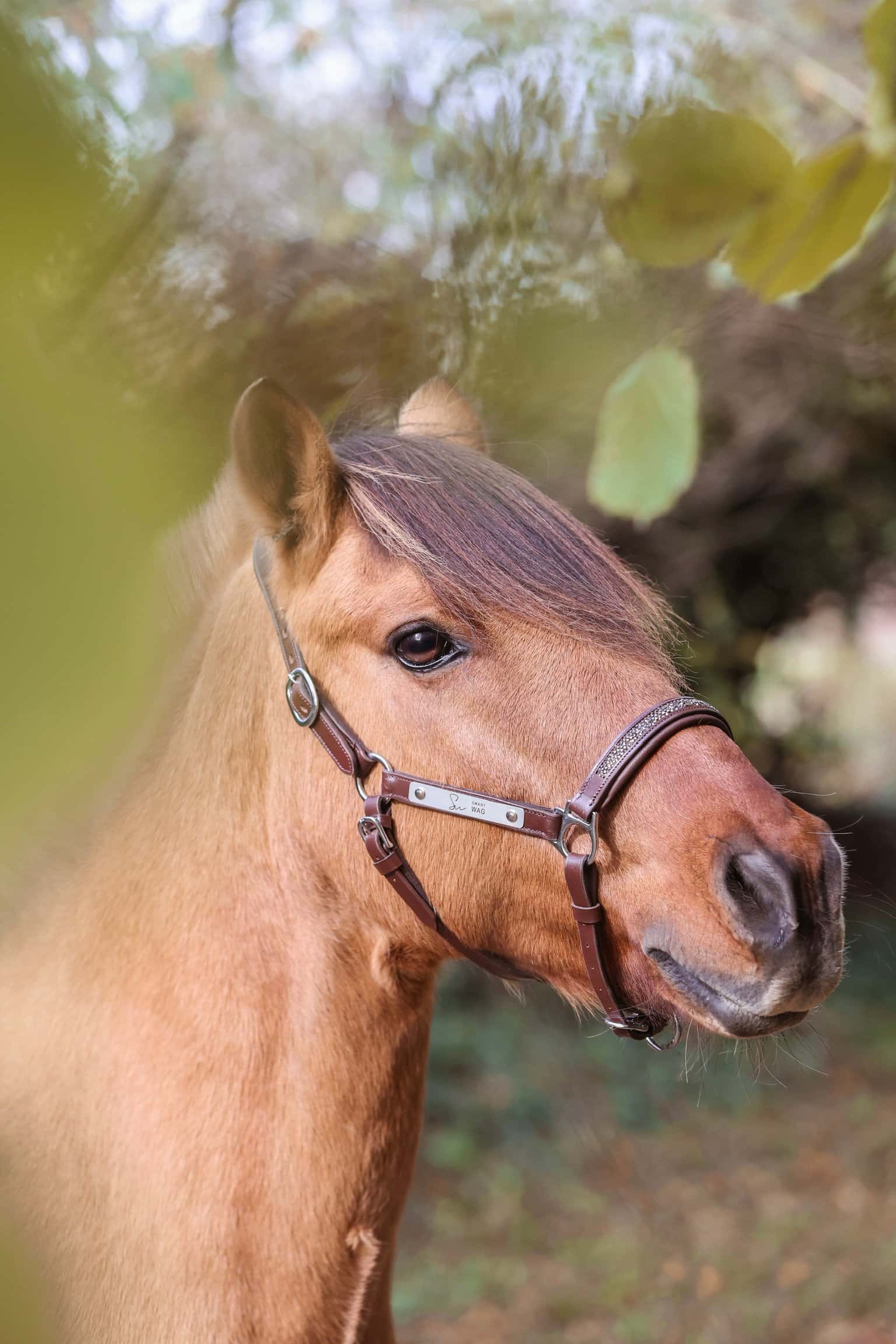
- La muserolle : you must be able to fit a hand's breadth between the horse's jaw and the noseband. It should be placed approximately two fingers (1.5cm) from the horse's zygomatic process. The headpiece adjustment allows variations in the height of the noseband.
- The cheekpieces: They should not touch the zygomatic process. The loop which connects them to the headpiece must rest on the cheek and must in no case be lodged on the horse's parotid gland.
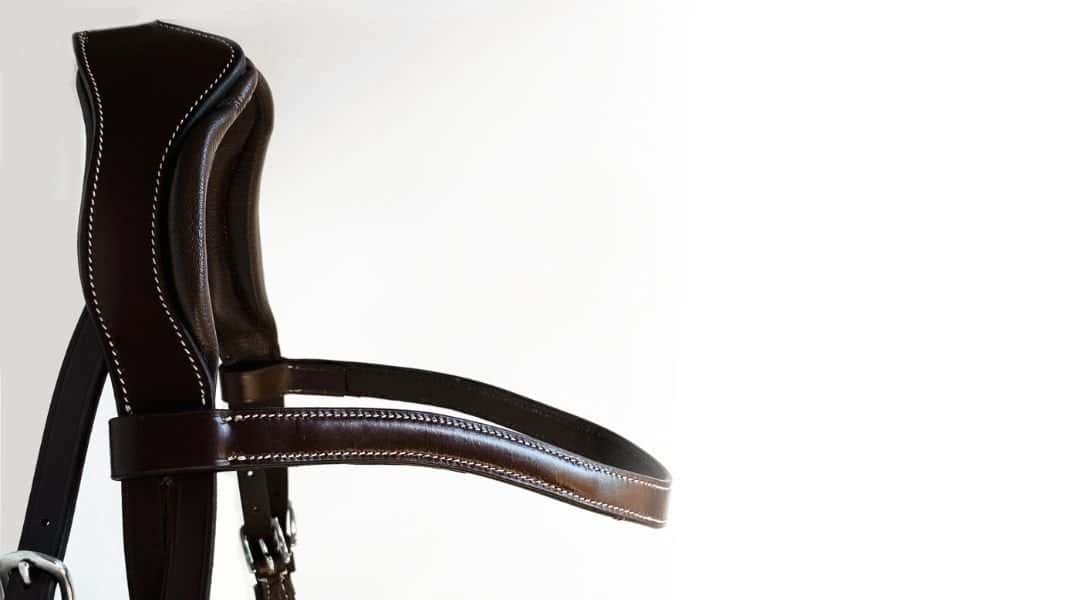
- The headpiece: When correctly adjusted, the headpiece stays behind the ears at atlas level and does not slip onto the first cervical vertebrae. Whether straight or anatomically shaped, it must suit the individual horse: there is no universally comfortable shape.
The last word.
Choosing the right size is essential when buying your halter, but adjusting it should never be an optional extra. A properly adjusted halter will give you and your horse better communication, greater comfort and therefore greater safety.
So don't forget to check regularly that your halter is properly adjusted at the headstall, underlay and noseband to ensure that you and your horse enjoy a more relaxed time together.