Key takeaways
- Equestrian trekking equipment is chosen according to the format: a day ride, accompanied trek or long-distance autonomous trek — each level requires specific gear.
- The 20 % rule is non-negotiable: total load (rider + equipment) must be less than 20 % of the horse's weight, with a maximum difference of 500g between the saddlebags.
- Prepare your horse and test all your loaded equipment on 2-3 progressive outings before any multi-day trek.
The right equipment is the difference between a successful horse trek and a trying experience. A poorly fitting saddle, unbalanced saddlebags, tack that causes chafing after a few hours – these mistakes come at a high cost on a multi-day journey. This guide details, piece by piece, the equipment needed for a horse ride or a multi-day trek, with concrete selection criteria for each item, from the beginner rider preparing for their first outing to the independent trekker planning a long-distance adventure.
What type of hike, what level of equipment?
Before investing, identify your practice precisely. The equipment needed for a 2-hour horse ride has nothing to do with that for a 10-day autonomous trek.
| Format | Duration | Required level | Specific equipment |
|---|---|---|---|
| Guided walk | 1 hour to half a day | Beginner (Levels 1-2) | Provided by the centre – personal headset recommended |
| Day hike | 4–8 hours | Gallop 2-3 | Trekking saddle, bridle, front saddlebags, first aid kit |
| Supported wandering | 2-7 days | Gallop 3-4 | Trekking saddle, bridle-halter, full saddlebags, protective gear |
| Long-distance solo hike | 1-4 weeks | Gallop 5+ | Full equipment, bivouac gear, total self-sufficiency |
The FFE-approved equestrian tourism centres they offer packages tailored to each level and generally provide the equipment for guided rides. On the other hand, as soon as you go with your own horse or independently, each piece of equipment must be carefully chosen and tested.
Good to know: La FFE lists over 400 equestrian tourism centres In France, with a network of marked routes covering the entire territory. A good starting point for testing your equipment on guided outings before heading out independently.
Horse Equipment: The 4 Fundamental Pieces
The trekking saddle
The saddle is the priority investment. A high-performance trekking saddle is distinguished from classic saddles by three characteristics:
- A long pommel (55 cm minimum) which distributes weight over a maximum dorsal surface — compared to 45 cm for a classic saddle which concentrates pressure
- A deep but non-restrictive seat which allows the micro-adjustments of position essential during prolonged efforts
- Reinforced attachment points (8 minimum) for securing saddlebags, jerry cans and camping equipment
Endurance saddles, with their reduced weight (6-8 kg) and ergonomic design, are the best choice for trekking in Europe. Avoid classic English saddles and Camargue saddles for long distances: their short tree causes localised pressure points after 3-4 hours of riding.
The bridle-halter: the indispensable versatile piece
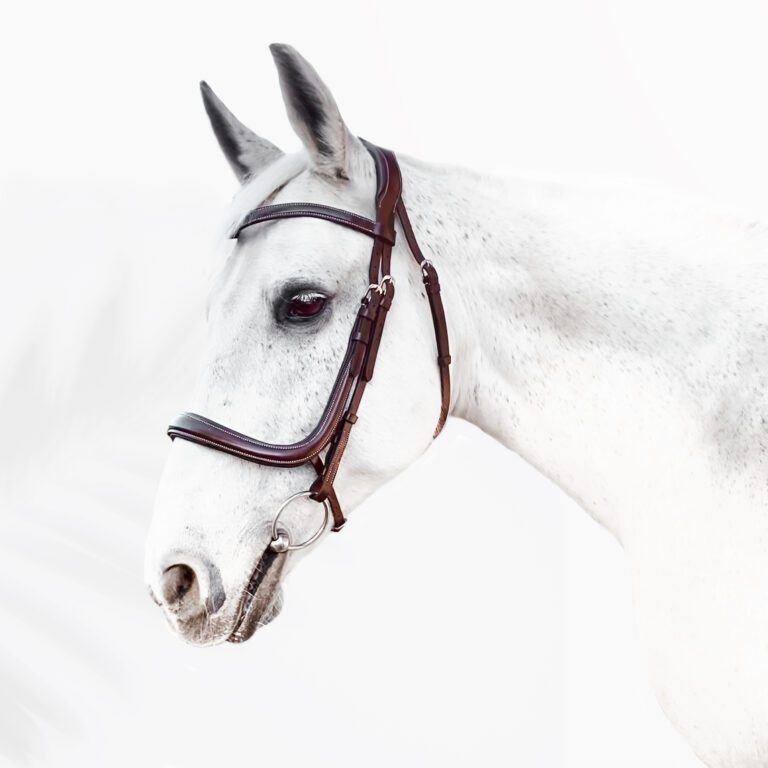
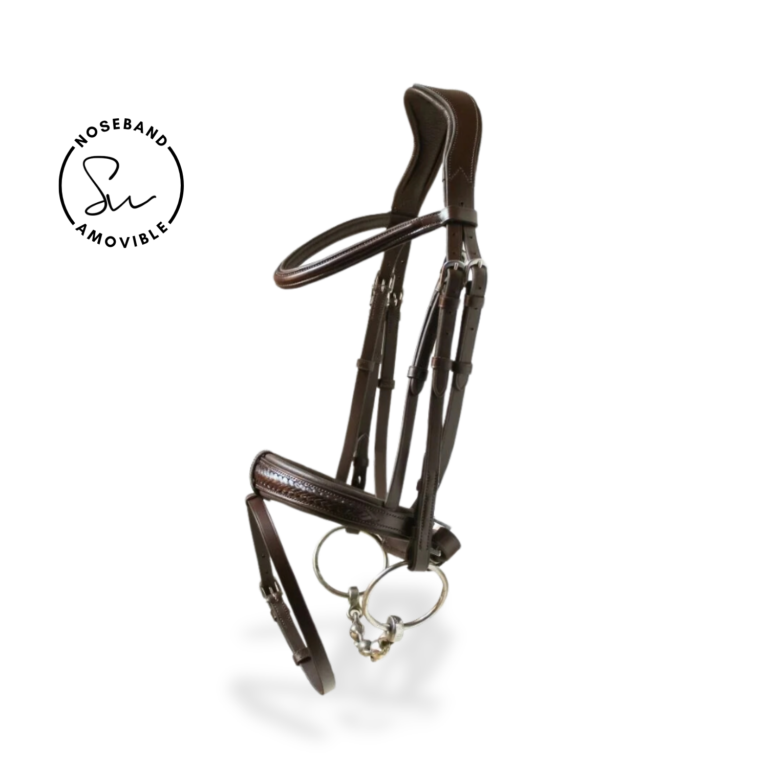
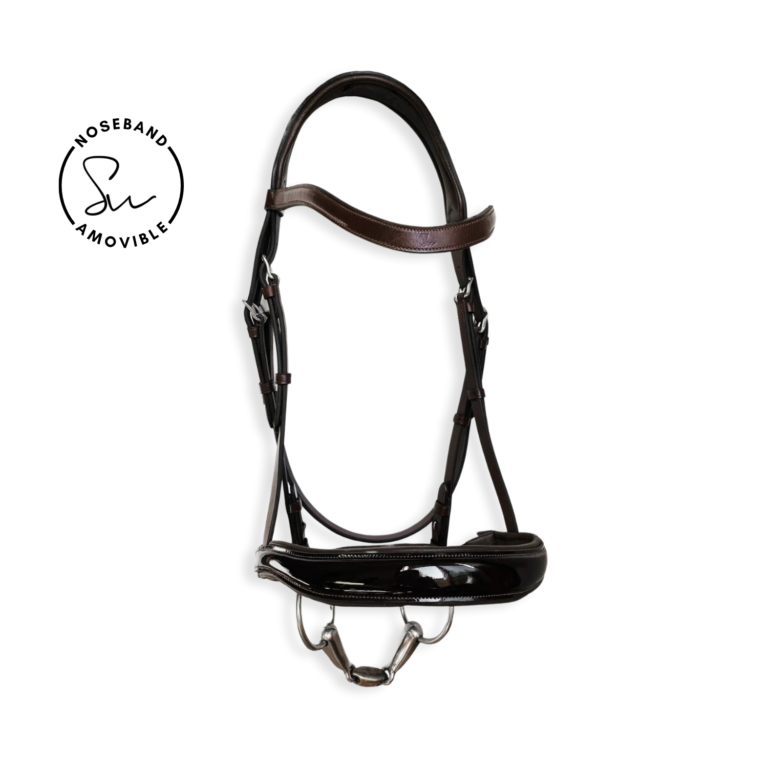
On a hike, you constantly alternate between uphill sections and stops on the ground. Bridle with removable bit Its detachable carabiner mounts allow you to switch from ridden to rest mode in seconds, without layering an uncomfortable halter under the bridle.
Modern anatomical headpieces significantly improve pressure distribution on the horse's head, freeing up the first cervical vertebra and the sensitive areas around the ears. Over several days of riding, this difference in comfort results in a more relaxed and responsive horse.
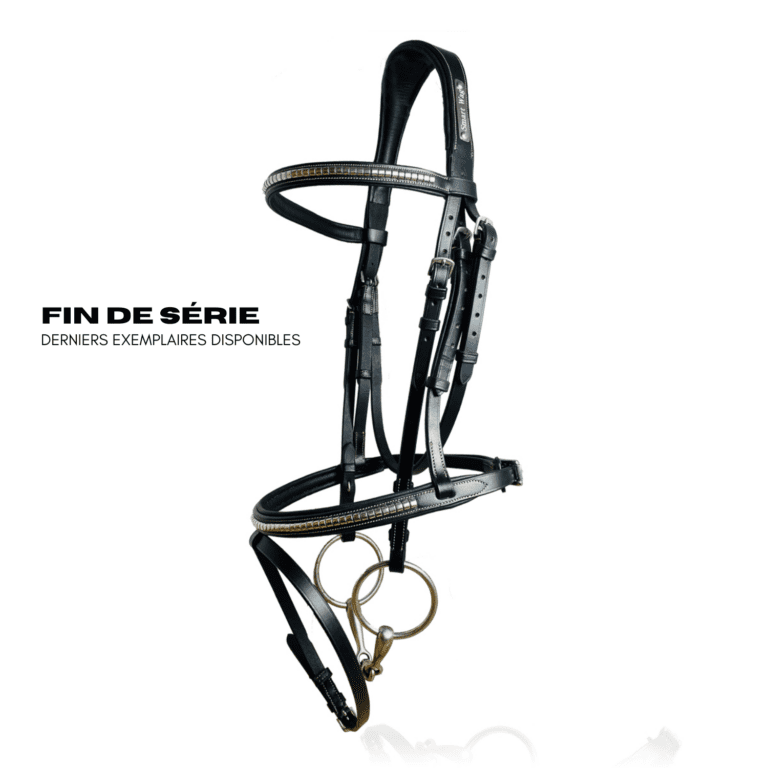
At SmartWag, our Full-grain leather bridles are designed with anatomical headpieces and custom engraving of your horse's name. Our Sidepulls Montreux and Verbier offer a bitless alternative particularly appreciated by hikers for rest periods.
The strap: the detail that changes everything
Often overlooked, the girth directly influences the horse's respiratory comfort. Girths made of neoprene or merino wool with a widened belly area distribute pressure better and facilitate thoracic expansion – a determining factor after several hours of continuous effort. Check the tightness every 2 hours: the horse's thorax changes in volume with exertion and temperature.
The protection of members
Reinforced hiking gaiters protect the legs from knocks, vegetation and rough terrain. Opt for breathable models with quick fastening. Technical rubber bells complete the protection by preventing injuries on rocky ground.
Rider's equipment: safety and comfort
The rider's personal equipment is just as important as the horse's, especially on multi-day treks.
| Piece | Key criterion | To avoid |
|---|---|---|
| Helmet | EN 1384 or ASTM/SEI standard, ventilated | Non-approved helmet, decorative bomb |
| Trousers | Leather/suede reinforcements on the knees and crotch | Cotton jeans or classic trousers (chafing) |
| Shoes | Ankle boots with a heel (1.5 cm min.) or hiking boots | Trainers, shoes without a heel (foot passes through the stirrup) |
| Jacket | Waterproof, breathable, windproof | Noisy oilskin (scares horses) |
| Gloves | Soft or synthetic leather, rein grip | Thick ski-type gloves (loss of sensation) |
| Chaps | Leather or neoprene, calf protection | Trousers too tight (circulation) |
Top tip: Pack a complete change of clothes in a waterproof bag for excursions. In case of rain or falling into a ford, being able to change quickly prevents hypothermia and skin irritation.
Saddlebags and carrying: organising weight intelligently
The organisation of the equipment directly affects the horse's comfort and the success of the trek. The fundamental rule: the total load must never exceed 20 % of the horse's weight, cavalier included.
| Bag type | Capacity | Position | Recommended content |
|---|---|---|---|
| Front panniers | 2-5 litres | Gearstick | GPS, phone, snacks, first-aid kit |
| Side sources | 5-8 litres | Districts | Water, tools, equipment symmetrically distributed |
| Rear panniers | 30-40 litres | Trousseau | Bivouac, clothing, food |
| Hiking sausage | 10-15 litres | Rear saddle | Floor mats, cylindrical material |
Lateral distribution demands absolute rigour: the maximum difference between the two sides must not exceed 500 g. An imbalance, even a slight one, causes postural compensations that exhaust the horse and generate muscular contractures from the very first half-day.
Field tip: Number your saddlebags and take an inventory with the weight of each item. Use different coloured dry bags to identify the contents at a glance. Allow 20 % of free space for acquisitions en route (food, water).
Leather or synthetic: which material to choose?
The choice between leather and synthetic is not a simple one. Each material has its strengths depending on the piece of equipment and the conditions of use.
| Criterion | Full-grain leather | Biothane / Synthetic |
|---|---|---|
| Long-lasting comfort | Excellent – fits the morphology | Right then — keep it stiff |
| Breathability | Raised | Weak |
| Water resistance | Average - requires maintenance | Total waterproofing |
| Maintenance | Regular (lubrication, cleaning) | Minimal (water + sponge) |
| Lifespan | 10-15 years with interview | 5-8 years |
| Weight | Heavier | Lighter |
For bridles and headcollars, full-grain leather remains the benchmark choice: its breathability and ability to gradually mould to the horse's conformation make it the ideal material for prolonged contact. SmartWag exclusively works with quality leather for its personalised halters, with a free engraving on each piece.
Biothane is suitable for attachment points, leads and items exposed to the weather. The most effective approach: combine the two materials depending on the parts and your practice conditions.
Preparing your horse: the programme before departure
Good equipment is not enough if the horse is not physically prepared. Here is a progressive programme for a 5 to 7-day trek:
- Weeks 1-2: Outdoor excursions of 1 to 2 hours, 3 times a week. Vary the terrain (paths, woodland, roads).
- Weeks 3-4: Lengthen to 3-4 hours. Incorporate elevation changes and technical sections (wades, steep descents). Start loading the panniers while empty.
- Weeks 5-6: 5-6 hour outings with saddlebags loaded to 50 %. Test the bridle-halter and protections for the full duration.
- Weeks 7-8: Two test rides of 6-8 hours with full gear and panniers loaded to the intended weight. Check each contact point.
Good to know: Horse hydration during a trek requires 30 to 40 litres of water per day in normal conditions, and up to 60 litres in hot weather. Plan your watering points along the route and pack a collapsible bucket in your saddlebags.
Equipment checklist: don't forget anything before departure
This list covers the equipment for a 3 to 7-day backpacking trip. Adapt it according to the duration and format of your hike.
Horse equipment
- Trekking or endurance saddle with suitable saddle pad
- Bridle with removable bit + lead rope
- Comfortable strap (neoprene or merino)
- Breathable hiking gaiters
- Cloches de protection
- Lightweight blanket or shirt (depending on season)
- Emergency farriery kit (rasp, pritchel, nails)
- Front and rear pannier bags + waterproof bags
Riding equipment
- Approved helmet
- Reinforced riding trousers + spare pair
- Heeled ankle boots + chaps
- Packable waterproof jacket
- Riding gloves
- Back protector (recommended)
Safety equipment and navigation
- First aid kit (human + equine)
- GPS or navigation app with offline maps
- Phone charged + power bank
- Multitool
- Headlamp
- Collapsible bucket for drinking water
The 5 mistakes that compromise a horse riding expedition
Experienced hikers' experiences reveal recurring mistakes, often related to equipment:
- Overlay halter and bridle. This practice generates particularly painful double pressure points after a few hours. The combined halter-bridle eliminates this problem while lightening the head equipment.
- To leave without testing the complete equipment. Discovering saddle sores or a poorly secured saddlebag after 4 hours on the road can ruin the entire hike. Two or three test runs with the full load will reveal the majority of necessary adjustments.
- Neglecting to balance the saddlebags. A load imbalance of more than 500 g between the two sides causes postural adjustments that exhaust the horse from the outset.
- Staying in the saddle on steep descents. On slopes steeper than 15 %, dismounting and leading your mount preserves its back and reduces the risk of falling.
- Underestimating equipment wear and tear. Check the condition of the seams, loops and carabiners before each departure. A worn-out carabiner that fails mid-trail can turn a hike into a dangerous situation.
Daily routine while travelling: Inspect the horse's back and head during grooming, morning and evening. Check the fit of the saddle and bridle twice daily. At the slightest sign of rubbing or friction, protect the area immediately and adjust the equipment.
Our SmartWag selection for hiking
For over 11 years, SmartWag has been designing custom leather equipment, conceived for long-lasting comfort. Here are the pieces from our range best suited for horse trekking:
- SmartWag Bridles Full-grain leather, anatomical headpieces that relieve sensitive areas. Engraving of your horse's name offered on each piece.
- Sidepulls Montreux and Verbier — Alternative bitless bridle ideal for rest periods during hikes. Soft leather, precise fit, anatomical comfort.
- Licols Soul NeckFit et Arena — Ergonomic toggles for harness attachment and ground management. The NeckFit design conforms to the shape of the neck for optimal comfort.
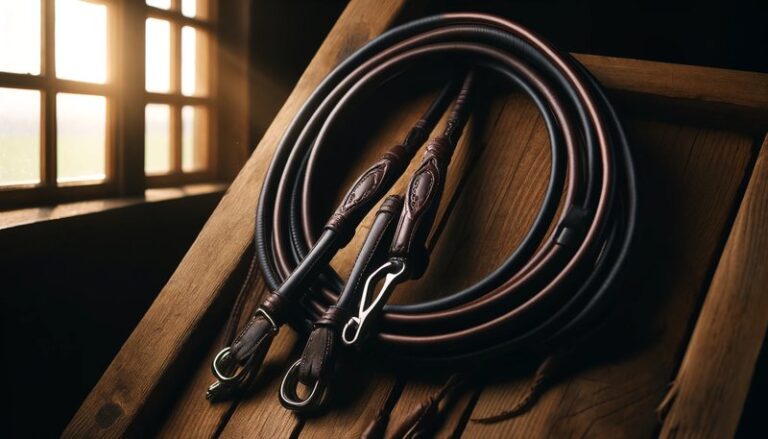
- Fine Grippy Reins - Slip Secure grip even in wet weather, essential on technical terrain.
Each piece is customisable with the engraving of your horse's name, delivered in 3 to 5 days with complimentary engraving.
Frequently asked questions
What basic equipment is needed for a day's horse riding trip?
For a day hike, you will need at minimum: a trekking or endurance saddle suited to your horse's back, a bridle-halter with a detachable bit, front saddlebags (2-5 litres) for the GPS and snacks, a first-aid kit, protective boots, and a comfortable girth. For the rider: a certified helmet, boots or ankle boots with a heel, reinforced riding trousers and a waterproof jacket.
How much does complete horse riding equipment cost?
For a good quality basic setup, budget between €1,500 and €3,000: trail saddle (€800 to €2,000), bridle-halter (€80 to €250), saddlebags (€150 to €400), leg protection (€60 to €150). Full-grain leather items are more expensive to buy but last 10 to 15 years with regular maintenance, compared to 5 to 8 years for synthetic.
How to physically prepare your horse for a multi-day trek
Physical preparation begins 6 to 8 weeks before departure. Gradually increase the duration and difficulty of your outdoor excursions: start with 1 to 2 hour outings, then extend by 30 minutes each week. Incorporate varied gradients and different types of terrain. Test your full kit (including loaded panniers) at least 2 to 3 times before departure to identify any rubbing points.
Should leather or synthetic be preferred for trekking tack?
Full-grain leather is superior for bridles coming into direct contact with the horse: it breathes, softens over time, and adapts to the horse's shape. Synthetic (Biothane) is more suitable for attachment pieces and elements exposed to the weather. The ideal is to combine the two: leather for the bridle and halter, synthetic for saddlebag attachments and lunge lines.
What is the maximum load a horse can carry on a trek?
La règle des 20 % s’applique : la charge totale (cavalier + selle + sacoches + équipement) ne doit jamais dépasser 20 % du poids du cheval. Pour un cheval de 500 kg, cela représente 100 kg maximum tout compris. Au-delà, les risques de blessures dorsales et de fatigue musculaire augmentent considérablement. Pesez votre équipement chargé avant le départ.
Ready for a horse trek?
Well-chosen and correctly fitted equipment transforms every outing into a memorable experience. The essentials: a saddle suited for long distances, a versatile bridle-halter, rigorous organisation of carrying capacity — and above all, on-the-ground testing before the big departure.
At SmartWag, we design every leather item with the comfort of your companion and attention to detail in mind. Discover our range of bridles and equestrian equipment, customisable with free engraving and delivered in 3 to 5 days.