Key takeaways
- The western headstall comes in 3 types, browband, one-ear and split-ear, to choose according to your discipline, your level and your horse's conformation.
- The absence of a noseband and the long reins (1.8 to 3.6 m) distinguish the Western bridle from the classic bridle: two different communication philosophies.
- A correct fit is paramount for everything: the horse's comfort, the quality of communication, and the rider's safety.
A Western bridle holds the bit and carries the rein aids. It may use a browband, a one-ear loop or two separate ear loops. The choice depends on head shape, the bit, the discipline and the horse's training.
This guide compares headpiece shapes, bit action and fitting checks. It also reviews the Basel, New Soul and Exclusif models, plus two bitless alternatives.
Western bridle vs. classic bridle: the real differences
Before choosing a type of headstall, it's important to understand what fundamentally separates the Western fillet of the classic bridle. These are not just two different designs – they are two philosophies of communicating with the horse.
| Criterion | Western bridle | Classic fillet |
|---|---|---|
| Noseband | Absent (most cases) | French, combined, etc. |
| Average weight | 300 – 500 g | 400 – 700 g |
| Reins | 1.8 – 3.6 m (split or romal) | 1.2 – 1.5 m (connected) |
| Guidance | Neck reining, one hand | Direct contact, two hands |
| Adjustment | More flexible, space left for the horse | More fitted, permanent contact |
| Common materials | Leather, biothane, rawhide | Mainly leather |
The absence of a noseband allows the horse to breathe, chew, and swallow freely – a decisive advantage for long work or trekking sessions. Pressure points are concentrated on the poll, the bars of the mouth, and the chin groove. With a curb bit, the leverage mechanism amplifies every signal, allowing for very subtle, one-handed communication.
Good to know: The terms «western bridle» and «western show bridle» are often used interchangeably. Technically, a snaffle refers to a single-jointed bit, while a curb bit can be included in a show bridle. In western riding, both terms cover the same equipment.
Browband, one-ear or split-ear: which type of headstall to choose?
The choice of headstall type depends on three factors: your discipline, your riding level, and your horse's conformation. Here are the three main configurations, with their practical uses.
Browband headstall – maximum stability
The browband headstall features a browband and often a throatlatch. This is the most secure design: the browband prevents the headstall from sliding backwards, and the throatlatch keeps it in place during sudden movements.
This is the recommended choice for Western beginners, young horses in training, trail riding on rough terrain, and barrel racing. It pairs naturally with a snaffle. Budget: €55 to €100 for decent quality leather.
Western bridle 1 ear, lightness and finesse
The One-ear Western bridle This is the minimalist headstall par excellence. A single adjustable buckle passes around one ear, completely freeing the other side of the head. The result: less weight, fewer pressure points, and a sleek aesthetic highly appreciated in competition.
This is the preferred headstall for reining and cutting, paired with a curb bit. It requires a trained horse that accepts the bit without needing the support of a browband. Warning: on a horse that shakes its head or in difficult terrain, the one-ear can slip. Price range: €35 to €65 for basic, up to over €150 with artisanal tooling.
Western headstall 2 ears and split ear, vaquero tradition
The Western bridle with two ears The two-ear style frames both ears for increased stability without a browband. The split-ear, a Californian variation, uses a slit in the leather for the ear – a sleek design inherited directly from vaquero tradition.
These saddles are particularly popular in horsemanship competitions for their aesthetics and association with Californian tradition. Customisation is a strong point: silver conchos, floral or geometric tooling, and engraving of the horse's name.
| Type | Stability | Discipline | Level | Budget |
|---|---|---|---|---|
| Browband | Maximum | Trail, barrel racing, beginner | All levels | 55 – 100 € |
| One-ear | Moderate | Reining, cutting | Confirmed | 35 – 150+ € |
| Split-ear / Two-ear | Good | Competition, horsemanship | Intermediate+ | 60 – 200+ EUR |
Anatomical fit: what should you check on the headpiece?
Why an anatomical shape may clear the poll
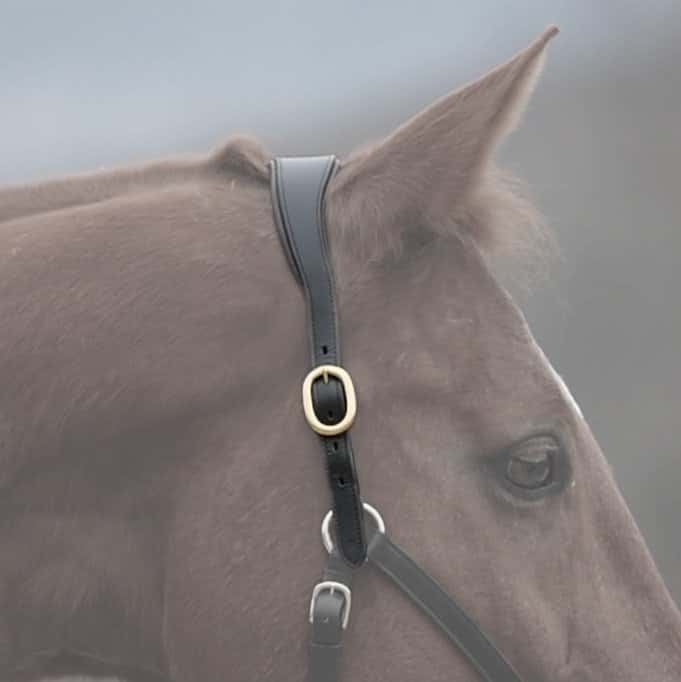
An anatomical headpiece curves around the base of the ears instead of following a straight line. On a compatible head, this cut can reduce contact with the cartilage. Wide padding may also spread contact over a broader area.
Shape alone cannot guarantee comfort. A headpiece that is short, wide or pulled forward can create an edge of pressure. Check the space behind both ears, cheekpiece symmetry and stability in motion.
When to choose an anatomical or standard headpiece
A straight headpiece works when it lies flat and clears the base of each ear. Consider an anatomical cut if the straight edge touches an ear or moves forward. The Basel bridle combines an anatomical leather headpiece with a padded noseband.
The Mont Blanc bridle uses a bridge headpiece and a U-shaped noseband. This construction changes the bearing area. Ask a bridle fitter or another qualified professional for help if reactions persist.
For bitless riding, compare the Montreux sidepull and the Verbier sidepull. Organisations ordering at least ten items can review the Smart Wag professional offer.
Western bits: from snaffle to curb bit, the logical progression
The choice of bit follows a progression from the mildest to the most technical. Rushing this process harms the horse's mouth and compromises its trust – this is the most common mistake among beginner western riders.
Snaffle, the foundation for any horse
The snaffle western (jointed single bit) acts by direct pressure, without leverage. It is the go-to bit for any young horse or rider starting out in Western riding. The O-ring, D-ring and eggbutt variations offer different levels of lateral stability. The standard mouthpiece measures between 12.5 and 13.5 cm depending on the horse's morphology.
Curb bit, mastering leverage
A curb bit uses shanks to produce leverage. Its action depends on the whole setup and the rider’s hand. Short shanks or a jointed mouthpiece do not guarantee a mild action. Ask a qualified professional to assess the choice of bit.
The adjustment of the curb chain is crucial: the engagement angle should be around 45°. Too early, the signal is harsh. Too late, the horse does not perceive the request. The port (curvature of the bit) determines the space left for the tongue.
Bridle and hackamore, the bitless alternative
For riders committed to their horse's oral well-being, the bosal (a braided rawhide noseband with a mecate) and the mechanical hackamore offer control without contacting the mouth. The bosal is part of the Californian vaquero tradition: gradual training over 2 to 4 years develops remarkable communication finesse.
The mechanical hackamore, which is more accessible, is suitable for horses with sensitive mouths or those being retrained from a classical approach. Pressure is applied to the nose and chin, requiring a trained hand to avoid injury.
Recommended progression: Moving to a shanked bit is neither automatic nor determined by a number of months. It depends on the horse, rider education and supervised training. A direct-action bit may remain suitable without a compulsory transition.
What effect does a Western bit have on a horse?
A snaffle transfers direct pressure to the lips, tongue and bars of the mouth. The right rein mainly acts on the right side, without mechanical amplification. The horse therefore feels a signal close to the movement of your hand. Mouthpiece shape and thickness still change how that signal feels.
A curb bit adds leverage. Its shanks rotate the mouthpiece, engage the curb strap and transfer pressure to the poll. A small rein movement can therefore create a stronger signal. Its intensity depends on shank length, mouthpiece design, curb adjustment and the rider's hand.
The aim is not to find the strongest bit. Choose the clearest signal your horse understands from a light hand. See the snaffle and curb bit section for the main setups. If resistance or discomfort persists, ask a qualified professional to check the fit.
Snaffle bridle or curb setup: what is the difference?
Do not confuse the two actions. A bridle fitted with a snaffle acts directly, with no shanks or leverage. A curb setup combines shanks with a curb strap or chain. Rein tension is then amplified between the mouth, chin groove and poll.
Terminology changes between disciplines. In English riding, a full double bridle normally carries two bits and two pairs of reins. In Western riding, headstall mostly describes the leatherwork. It can hold a snaffle or the curb bit described above. Always check the fitted bit, not only the bridle's name.
Which Western bridle for your discipline?
Each Western discipline imposes specific requirements in terms of headstall, bit, and fit. Here are the most relevant combinations for the major disciplines.
Reining, Precision and Collection
Reining requires precise manoeuvres: spins, sliding stops, and lead changes at the canter. For a young horse, pair a browband headstall with a snaffle. Experienced horses progress to a One-ear Western bridle with a short curb bit snaffle, allowing the finesse required for competitive figures.
Horse autonomy
In cutting, the horse works with the cattle in an almost autonomous manner. The loose-reined one-ear is the norm. Split reins are often completely loose during work – the rider guides by body weight, not by hand.
Trail and pleasure – long-lasting comfort
For hiking and western pleasure, opt for a browband headstall for outdoor safety. Waterproof materials like biothane are gaining traction for their weather resistance and ease of maintenance. For long rides, a Western anatomical bridle with a profiled headrest reduces pressure on the neck.
Barrel racing, maintenance and responsiveness
The tight turns of barrel racing demand a stable bridle. The browband headstall with a throat latch remains the safest choice. A snaffle or a short shank curb bit allows for the responsiveness needed for high-speed barrel passes.
Which bridle suits your horse? Basel, New Soul or Exclusif compared
Looking for personalised leather tack for Western riding? Check the construction first. Basel, New Soul and Exclusif are English-style bridles with a browband and noseband, not one-ear headstalls. This comparison explains how to choose within the Smart Wag range. It does not confirm approval for reining, cutting or any particular show class.
| Use and selection criterion | Model and construction | Product page |
|---|---|---|
| Hacking and varied schooling, where an English-style bridle suits the horse and bit. | Basel: braided cowhide, anatomical headpiece, padded noseband and removable flash strap. | View Basel |
| Regular training with understated, customisable leatherwork. Check show rules separately. | New Soul: contrast stitching, anatomical headpiece, padded noseband and removable flash strap. | View New Soul |
| Pony measurements and a classic construction, if a remaining variant fits. | Exclusif: padded cowhide with contrast stitching. Final stock, not a universal size recommendation. | Check Exclusif variants |
Original Smart Wag catalogue photographs. They show construction, not models reproduced at the same scale. A pictured bit or pair of reins does not prove that it is included in the order. Choose personalisation options on the relevant product page.
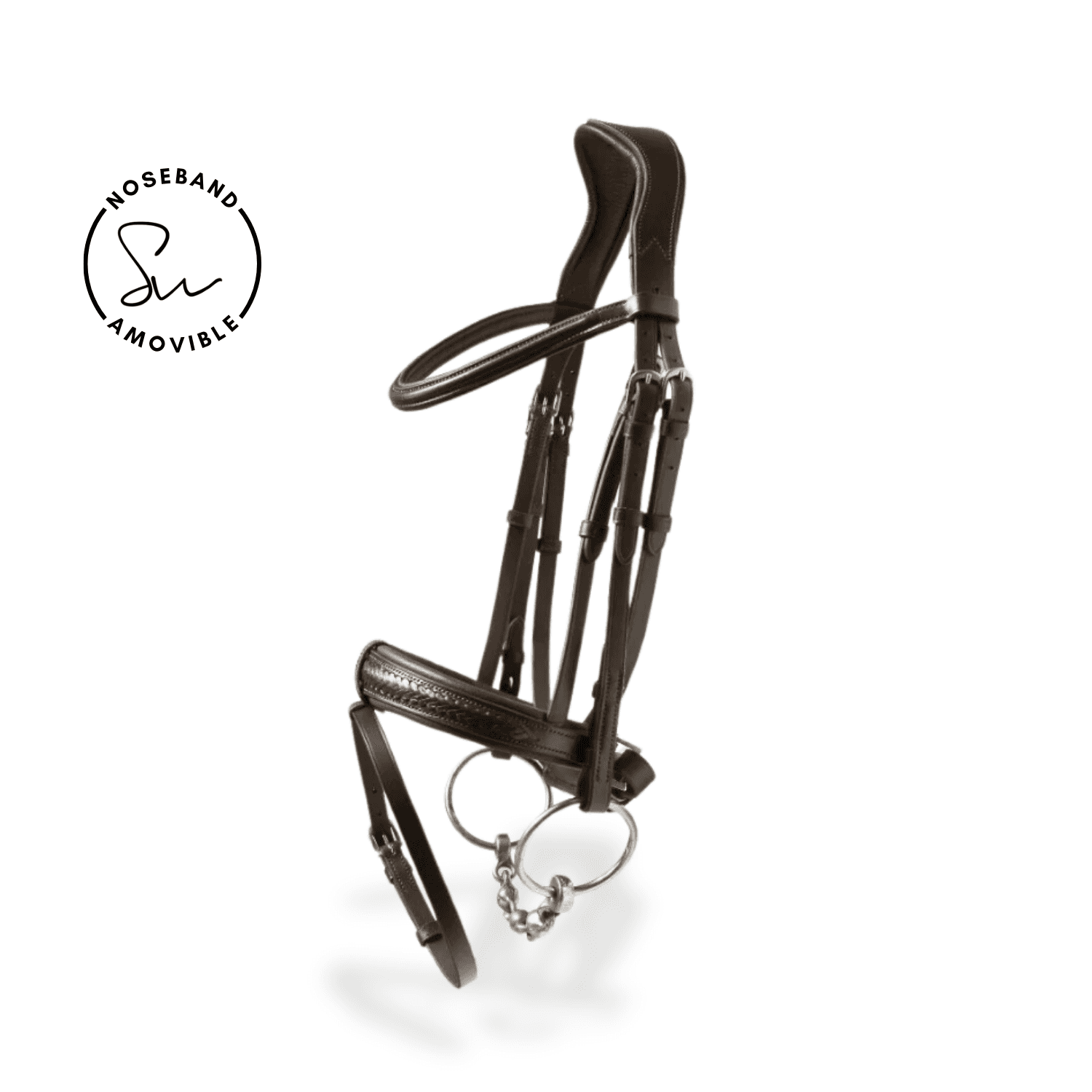
Basel
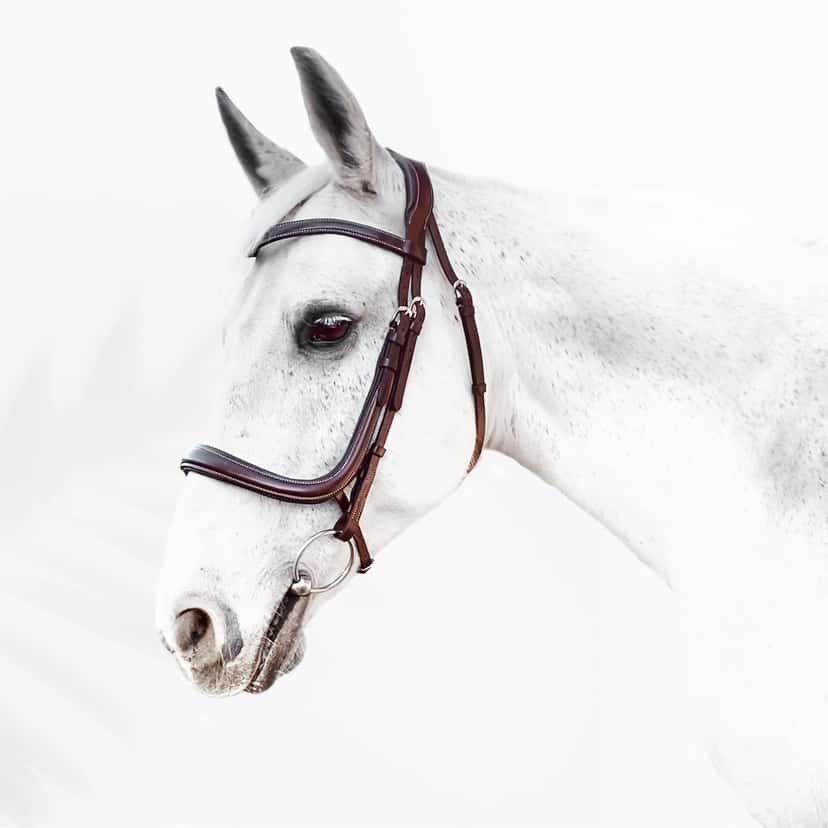
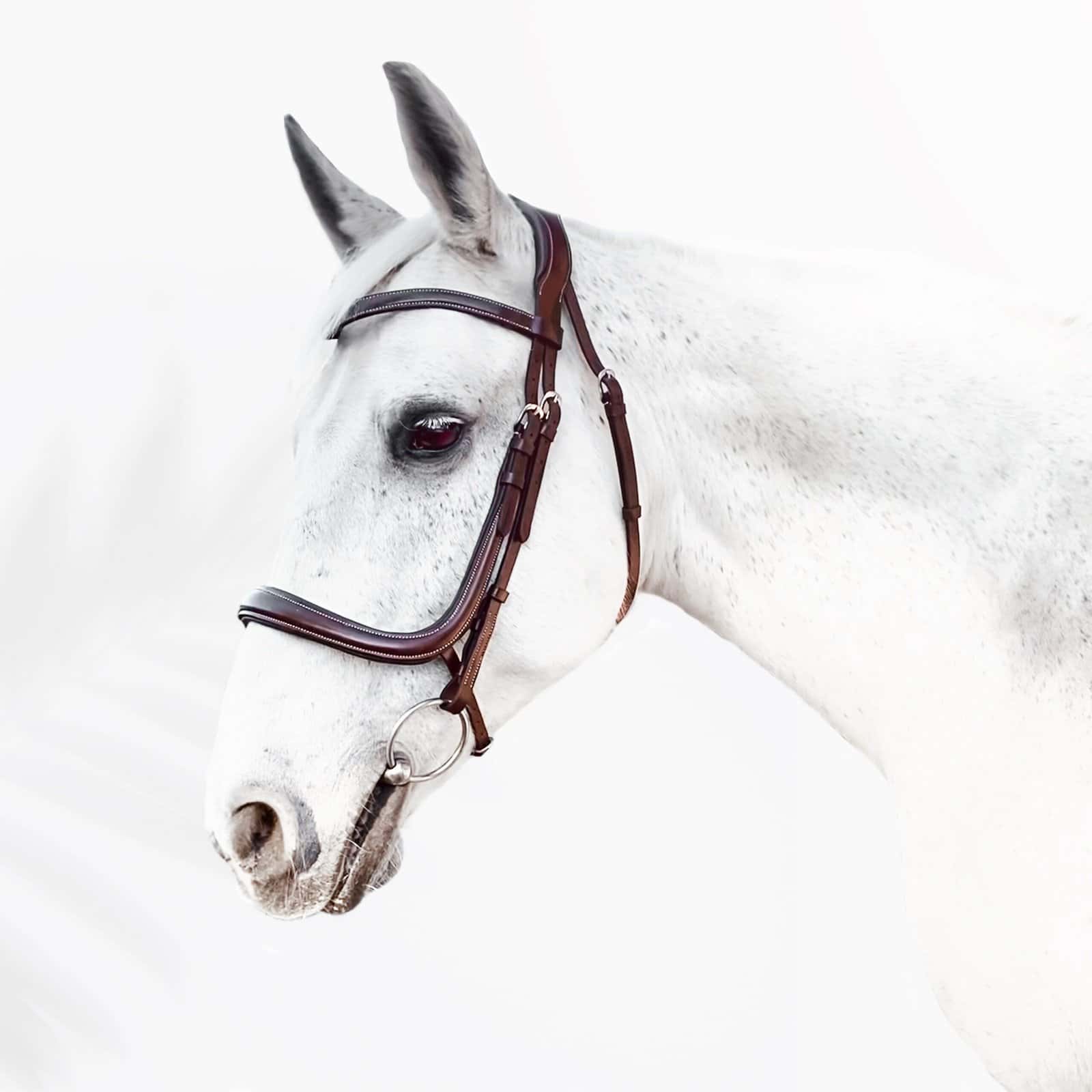
Basel: braided details and anatomical headpiece; engraving options on the product page.
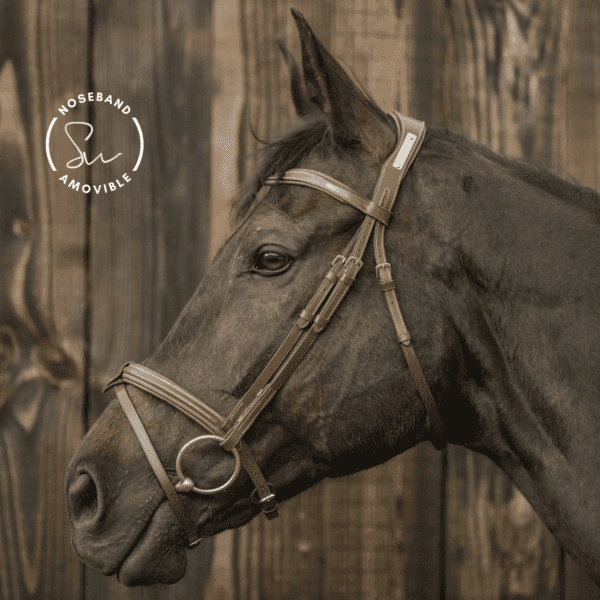
New Soul
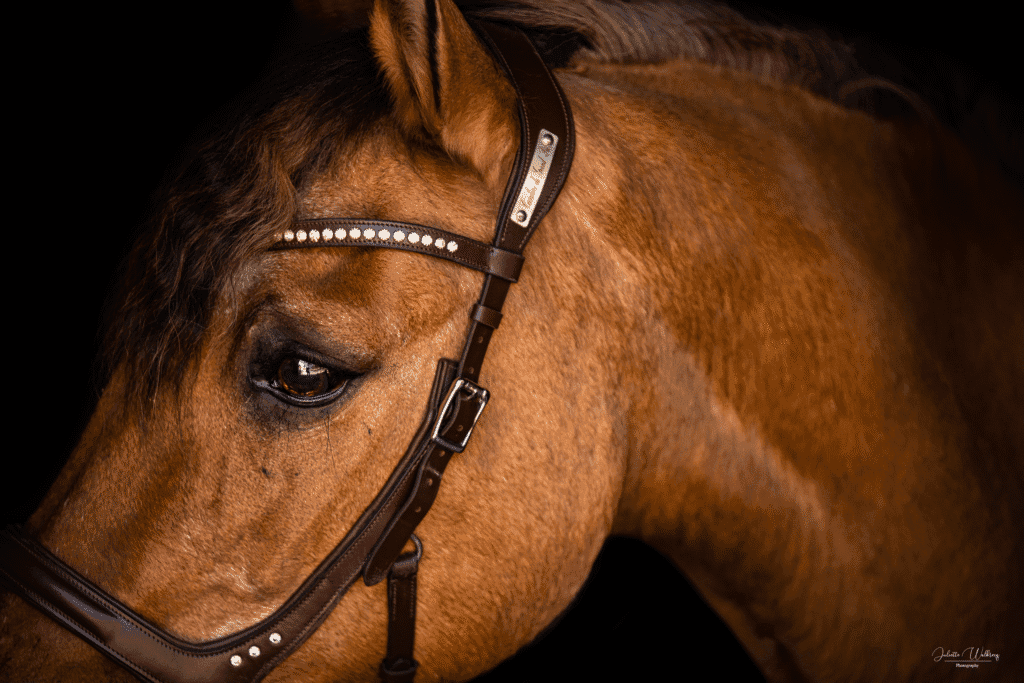
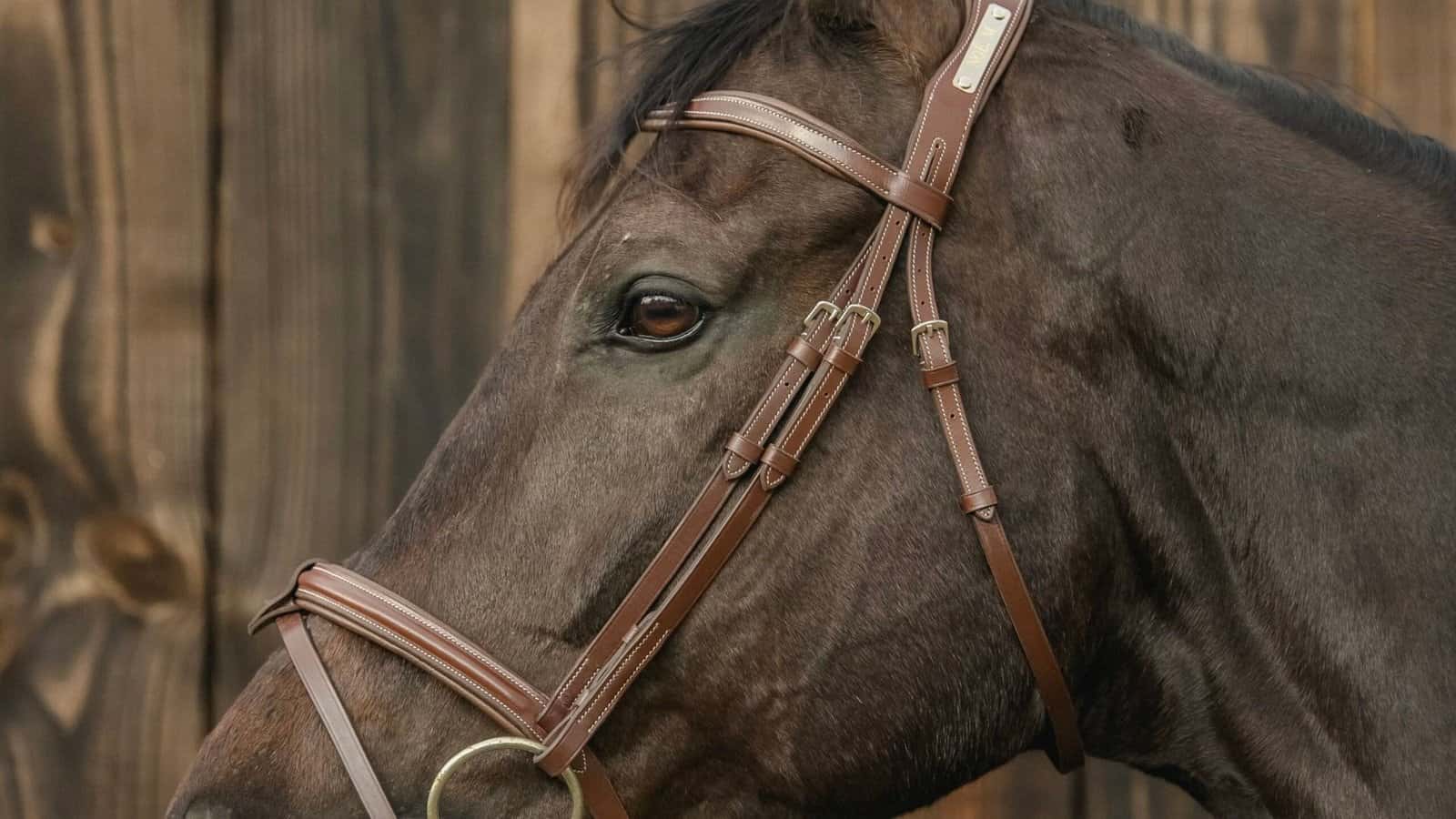
New Soul: brown leather, contrast stitching and a visible plate.
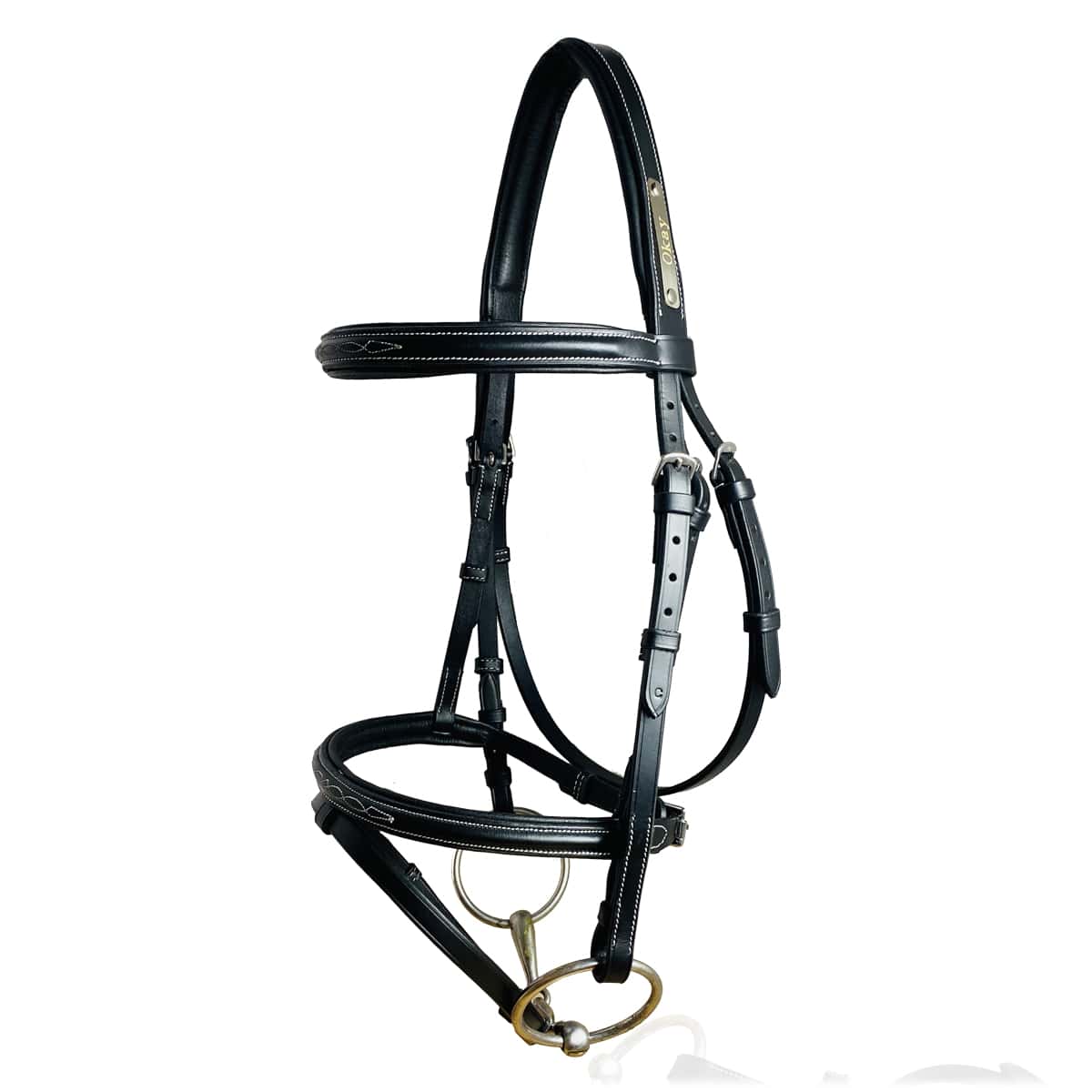
Exclusif
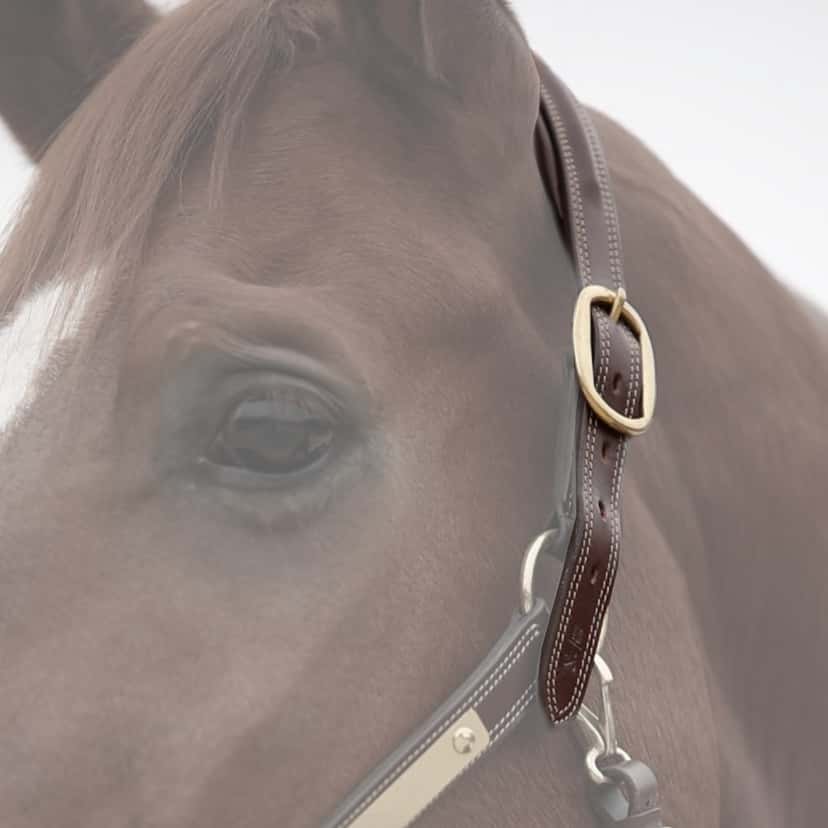
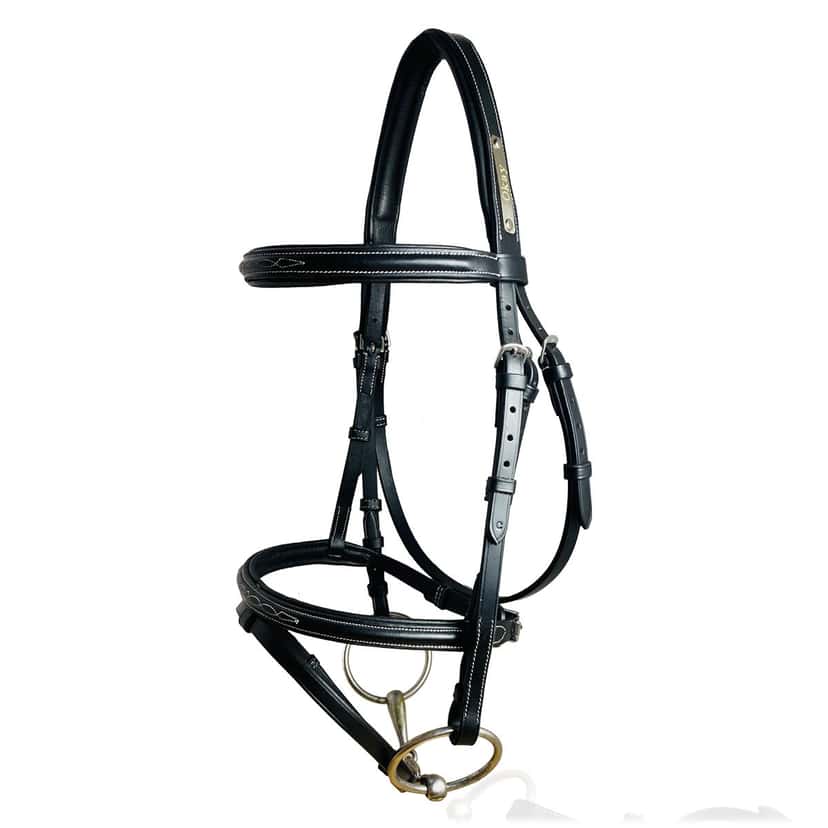
Exclusif: black leather and plate; final stock with limited size choice.
For trail riding and longer hacks
Distinguish a hack from a competitive trail class. Outdoors, your horse should know the chosen bit and the headstall should remain stable. If an English-style construction suits your setup, compare Basel and New Soul. Padding alone does not demonstrate guaranteed comfort for a particular number of riding hours.
Basel adds a visible braided detail. New Soul has a simpler outline with contrast stitching. Choose by head shape and adjustment range before appearance. A removable flash strap does not mean the entire noseband can be removed, nor does it turn the bridle into a Western headstall.
For reining and cutting with personalised engraving
An engraved plate changes neither bit action nor equipment eligibility. In reining and cutting, the association, class and division determine permitted tack. None of these three models is presented as universally show-approved. Confirm the requirements with your trainer and organiser before buying.
Check the complete setup: headpiece, bit, noseband, curb strap and reins. The EWU lists nosebands among prohibited equipment; its current rules and exceptions remain authoritative. A model name or product photograph cannot replace that check. Have a competent professional assess any necessary alterations to the setup.
For versatile riding, from beginner to experienced rider
For everyday work, New Soul is worth comparing if you want an anatomical headpiece and understated leatherwork. Basel adds braided styling to the choice. That is not a ranking from beginner model to expert model: fit and the training of both horse and rider come first.
Exclusif is an option only if the remaining size genuinely fits. Do not choose Pony because Cob or Full is sold out. Compare the Basel or New Soul measurements instead. Colour, price and remaining stock should never take the place of a suitable fit.
Use the measurements of a well-fitting bridle for comparison. Check the headpiece, cheekpieces, browband and noseband separately. A size label does not describe every proportion. Check the remaining adjustment holes before deciding on your engraving. If you are unsure, arrange a fitting with an experienced professional.
Adjusting a Western bridle: a step-by-step method
A Western anatomical bridle A well-designed bridle only works if it is correctly fitted. A poor fit will cause discomfort, resistance and can injure your horse. Here is the professional 5-step method.
- Measure head circumference : measure between the points specified by the manufacturer and compare the model’s adjustment ranges. Do not subtract a fixed amount to choose a size.
- To position the bit It should create a maximum of one crease at the corners of the mouth, without touching the hooks (canines). Too high = discomfort. Too low = the horse can put its tongue over it.
- Adjust the throat strap (If fitted): Four fingers should pass between the strap and the neck to allow for flexion and swallowing.
- Check the curb chain or strap : check its position against the bit manufacturer’s instructions. Have the complete setup checked before use.
- Check symmetry the two cheekpieces must be the same length. A lateral imbalance creates asymmetrical pressure which pushes the horse to resist.
| Size | Adjustment ranges to compare | Points to check |
|---|---|---|
| Pony | Pony model measurements | Browband and head width |
| Cob | Cob model measurements | Cheekpiece length |
| Full | Full model measurements | Headpiece adjustment range |
Common mistake: A frontal that is too tight compresses the temporomandibular joint and causes chronic resistance (a horse that shakes its head, that opens its mouth). Western fitting is deliberately looser than in classical - leave space.
What size Western bridle fits a pony?
Pony is a catalogue size label, not a universal head circumference range. Compare the actual measurements of each part before ordering. Two heads of equal length can differ across the forehead and jaw.
Look for a shorter crownpiece and cheekpieces that retain several adjustment holes. The browband must not pull the crownpiece into the ears. The throatlatch should not hang loose, but it must still allow the pony to flex and swallow.
A slimmer mouthpiece may suit a small mouth with less vertical space, but thinner does not mean milder. Check bit width and diameter separately. The bit should remain stable without extending far beyond the lips or crowding the tongue.
5 common mistakes to avoid with a Western bridle
These errors are frequent among riders discovering Western riding or switching from classical to Western.
- Moving to the curb bit too quickly Moving to leverage requires assessment of the horse and the rider’s hand. No fixed number of months establishes readiness. Seek qualified guidance before changing the bit.
- Choosing a one-ear for a young horse, The one-ear offers less support. A young horse learning needs the stability of a browband to associate rein signals with precise responses.
- Neglecting the curb chain or strap Check the curb chain or strap’s position and condition, alongside the instructions for the particular bit. Do not apply one numerical setting to every setup.
- Oil the rawhide Rawhide (bosal, mecate) should never be oiled. Oil irreversibly destroys the structure of the braided fibres. Clean only with a soft, dry brush.
- Ignore signs of discomfort A horse that shakes its head, opens its mouth, sticks out its tongue, or resists contact signals a problem with the bit or its fit. Never punish resistance without first checking the equipment.
Western Bridle Maintenance: Preserving Leather Quality
A Western fillet Quality leather can last for years, provided it is maintained with the right techniques. The maintenance of Western leather differs slightly from classic leather.
- Regular cleaning Glycerine soap every 15 days, paying particular attention to contact areas (stables uprights, headstall, throatlash).
- Moderate greasing : beef foot oil only on flexion areas, never in excess, over-oiling makes leather spongy and accelerates its ageing
- Suitable storage : dry place, out of direct sunlight, between 18 and 22 °C with 50-60 % humidity. Use a bridle carrier to maintain the shape of the headpiece
- Ornaments Polish the silver conchos monthly with a non-abrasive product. Clean the tooling with a soft brush to prevent dust from accumulating in the embossed areas.
- Regular inspection Check the strap, rivets and stitching before each outing. Any sign of abnormal wear (loose stitching, cracked leather, oxidised rivets) requires immediate repair.
Personalised engraving and the Smart Wag professional offer
Choose the model and correct size before personalising your bridle. Then check the text, font and available plate. Engraving a plate is not direct engraving into leather; each product page shows the available options.
Explore personalisation and engraving
Riding centres, breeders and brands can find quantity conditions and request a personalised series through the professional offer. Confirm model availability and quantity before promising a date. A discontinued model is not a dependable basis for repeat orders.
Frequently asked questions about Western bridles
What is the difference between a Western bridle and an English bridle?
A Western bridle is often simpler and may omit the noseband. An English bridle usually uses a browband, a noseband and joined reins.
How do you choose between a one-ear and two-ear Western bridle?
A one-ear loop keeps the headpiece minimal. Two loops add stability. A browband headstall remains the most stable option when you are unsure.
Which Western bit should a beginner choose?
A simple direct-action bit makes rein aids easier to understand. Ask a qualified professional to check its size and thickness before adding leverage.
How much does a quality Western bridle cost?
Price depends on the leather, hardware, finish and personalisation. Compare replaceable parts and available sizes as well as the purchase price.
How should you fit an anatomical Western bridle?
Clear the base of both ears, centre the headpiece and level the cheekpieces. Then check for heat, disturbed hair and movement after several minutes.
What is the difference between a bridle, headstall and snaffle bridle?
Headstall names the part around the horse's head. Bridle can include the headstall, bit and reins. A snaffle bridle uses a direct-action snaffle bit.
What is the piece in a horse's mouth called?
It is called the bit. A snaffle acts directly, while a shanked curb bit can add leverage through its cheeks and curb strap.
Is Western riding good for horses?
Western riding is not automatically kinder. Welfare depends on suitable equipment, training and the rider’s aids. Bitless does not mean pressure-free: bosals and mechanical hackamores act on the head. Have persistent resistance or discomfort assessed by a qualified professional.
What are typical Western horse breeds?
Quarter Horses, Paint Horses and Appaloosas are well-known Western breeds. Western riding is not limited to them: the EWU welcomes all breeds. Assess suitability and temperament in the individual horse rather than relying on its breed name.
Find the Western bridle that suits you
First choose a setup your horse knows and your class allows. Then compare measurements, adjustment and personalisation. The three models above are English-style bridles, not a blanket recommendation for every Western competition.
Open the relevant product page from the comparison, check the available variant, then your engraving text. Delivery and availability information should come from your specific order.