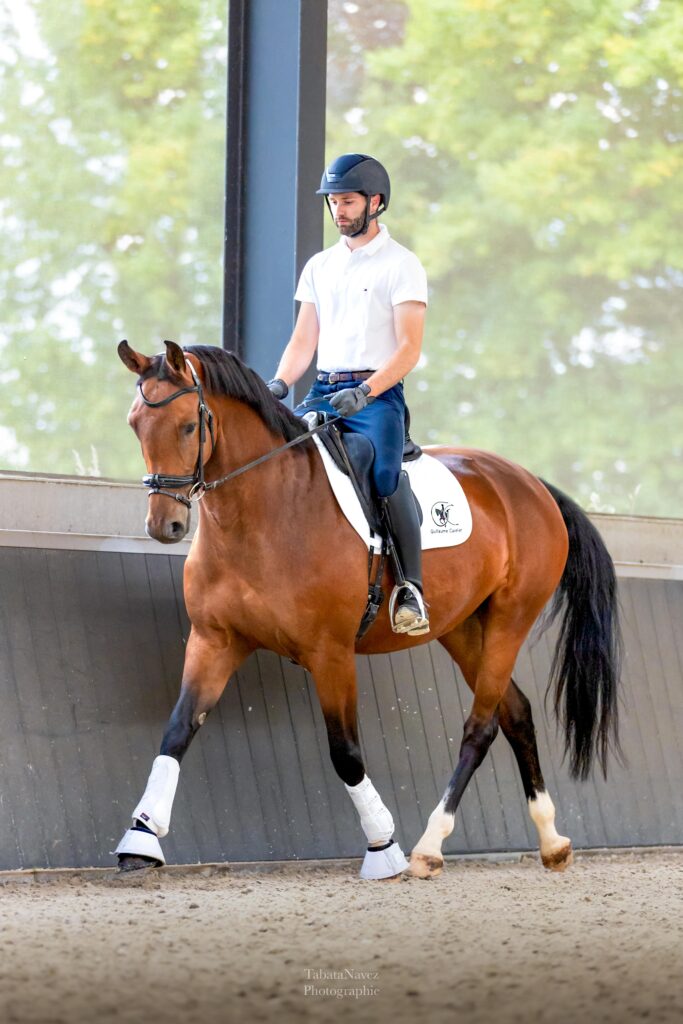
Filet and bridle: a difference in word, not function
Let's start by clearing up a major confusion.
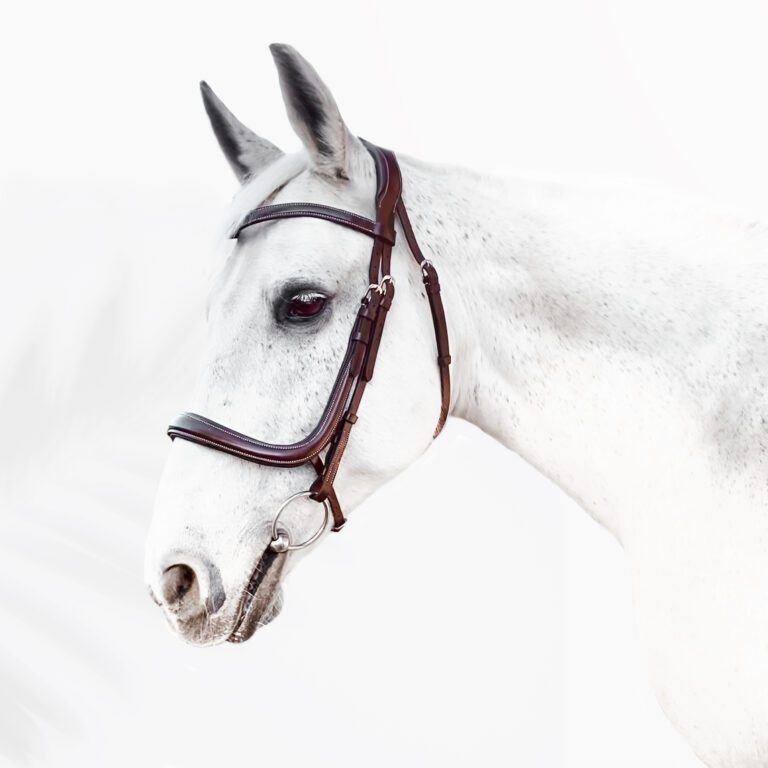
In practice, the snaffle and bridle are the same piece of equipment.
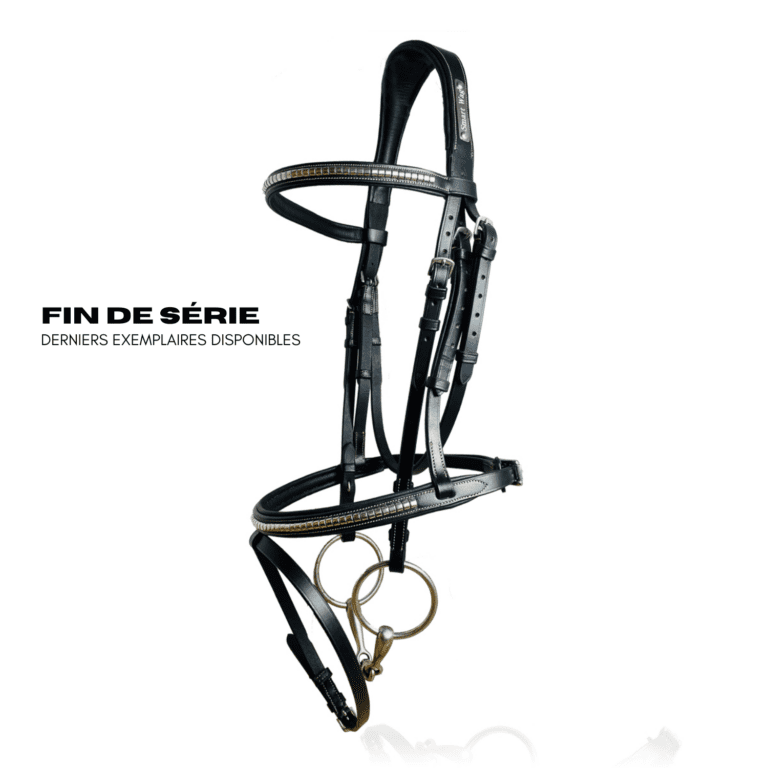
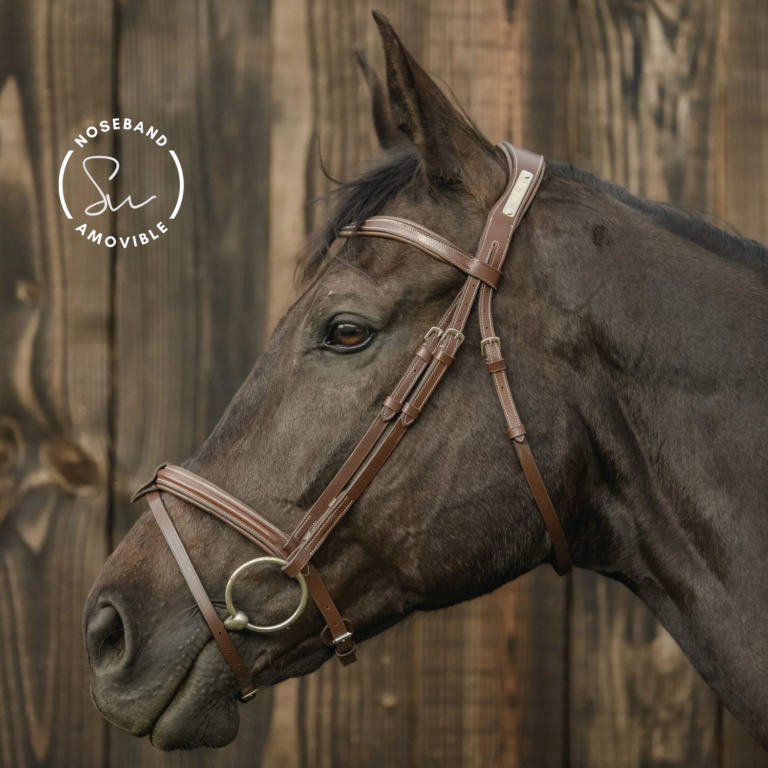
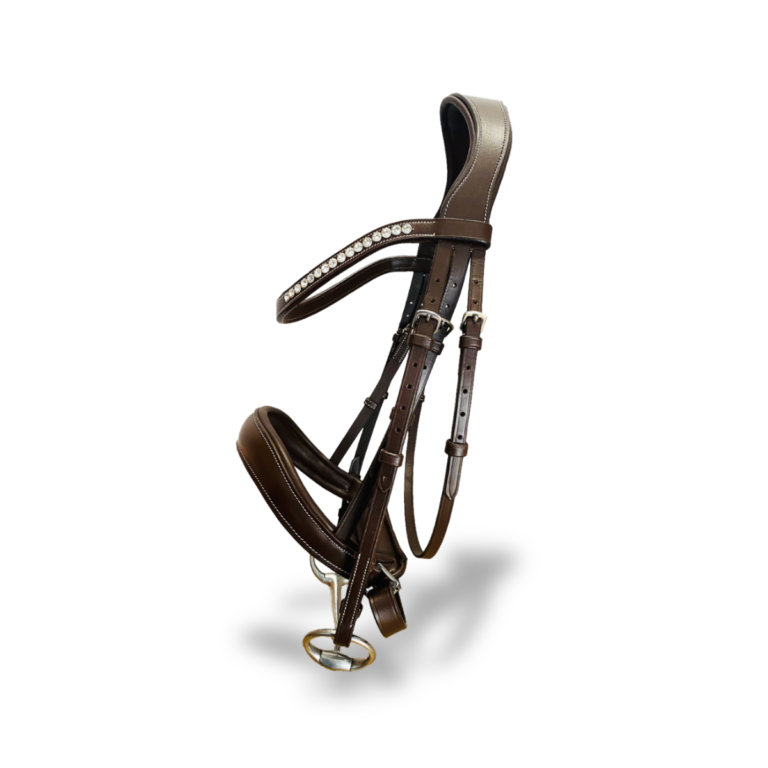
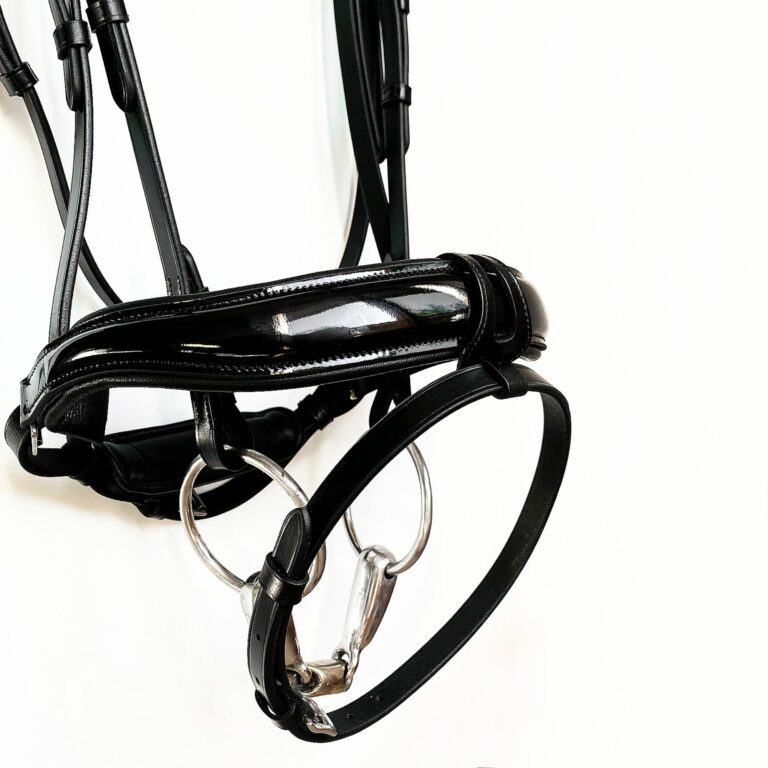
This is a harness made up of :
- a headrest
- of amounts
- a front-end
- a noseband
- an under-throat
- and a single bit
The term Bridle is the most commonly used on a daily basis, while bridle is more technical or even institutional. But their function is strictly identical To allow fine communication between the rider's hand and the horse's mouth.
Attention Not to be confused with flange, This is a bridle with 2 uprights to accommodate 2 mouthpieces.
The role of the snaffle / bridle: to communicate, not to coerce
The snaffle is the main interface between the rider and the horse. Its role is not to constrain, but to :
- give precise and progressive instructions
- promote clear communication
- accompany the natural movement of the head and neck
A well-chosen and well-fitted net should be forgotten, for both horse and rider.
Anatomy of a snaffle / bridle: understanding each component
Each part of the bridle plays a specific role in the comfort and functionality of the whole.
The headrest
It rests on an extremely sensitive area, close to the nape of the neck and the ears. A headrest that is poorly designed or too narrow can generate significant tension.
Today, anatomical headrests are widely represented, and can design all headrests with a particular Elargies cut-out, with a low profile behind the ears... there's something to suit every shape and every body type.
The noseband
It stabilises the jaw, which in turn stabilises the bit in the mouth. Too tight, it prevents relaxation and causes tension or even pain. If it is too loose, it loses its functional role and can cause the horse to rub.
💡 Essential adjustment rule : leave at least two fingers (one on top of the other) of space under the noseband.
The front
Often perceived as cosmetic, it is the key to the correct positioning of the bridle. Among other things, it keeps the headpiece in place, especially when it tends to move backwards, as is the case with certain morphologies. There is little risk in using a browband that is too long, but a browband that is too short creates tension behind the ears and on the muscles of the face.
The under-throat
It holds the bridle in place without ever hindering breathing or neck flexion. It must remain loose.
The bridle: a special piece of equipment
La flange is clearly distinguishable from the net.
It consists of :
- a bridle bit
- a snaffle bit
- two pairs of reins
The bridle enables more subtle and more precise communication, but it also requires a horse that is already trained, balanced and light in the hand, and an experienced rider.
👉 It is mainly used in dressage at an advanced level, and should never be used to compensate for a lack of work or control.
Net or bridle: how to choose in 2026?
The choice always depends on level of the horse, the rider and the objectives sought.
A snaffle / bridle is recommended if the horse is learning or improving.
The flange can be considered if :
- the horse is confirmed and stable in contact
- the rider has an independent and very precise hand.
Whatever your choice, we recommend that you use a bitfitter.
The importance of fit
Whatever equipment you choose, fit is key.
Incorrect adjustment can lead to :
- defences
- tension, pain and injury
- loss of quality in communication
Key points to check:
- position of the headrest behind the ears
- correct bit height
- Non-binding noseband
- sufficiently loose throat
- amounts sufficiently out of sight
The signs of unsuitable equipment
An uncomfortable horse may express its discomfort by :
- an agitated or open mouth
- head shaking
- an unstable language
- stiff contact
These signals must always be analysed before modifying the work or the rider's hand.
To sum up: key points to remember
✔ Snaffle and bridle are the same equipment
✔ The flange is a technical tool for advanced use only
✔ The horse's comfort always takes precedence over the quest for control
✔ In 2026, the choice of equipment must be part of an overall approach to well-being and progress
Good equipment is equipment that respects the horse, accompanies its development and adapts to its actual level.
Photo credit ©Tabata Navez